The Encyclopedia of Amaro
One entry per bottle: where it's made, what's inside it, how the brand came to be, how it actually tastes, and where to find it. We're building this out brand by brand.
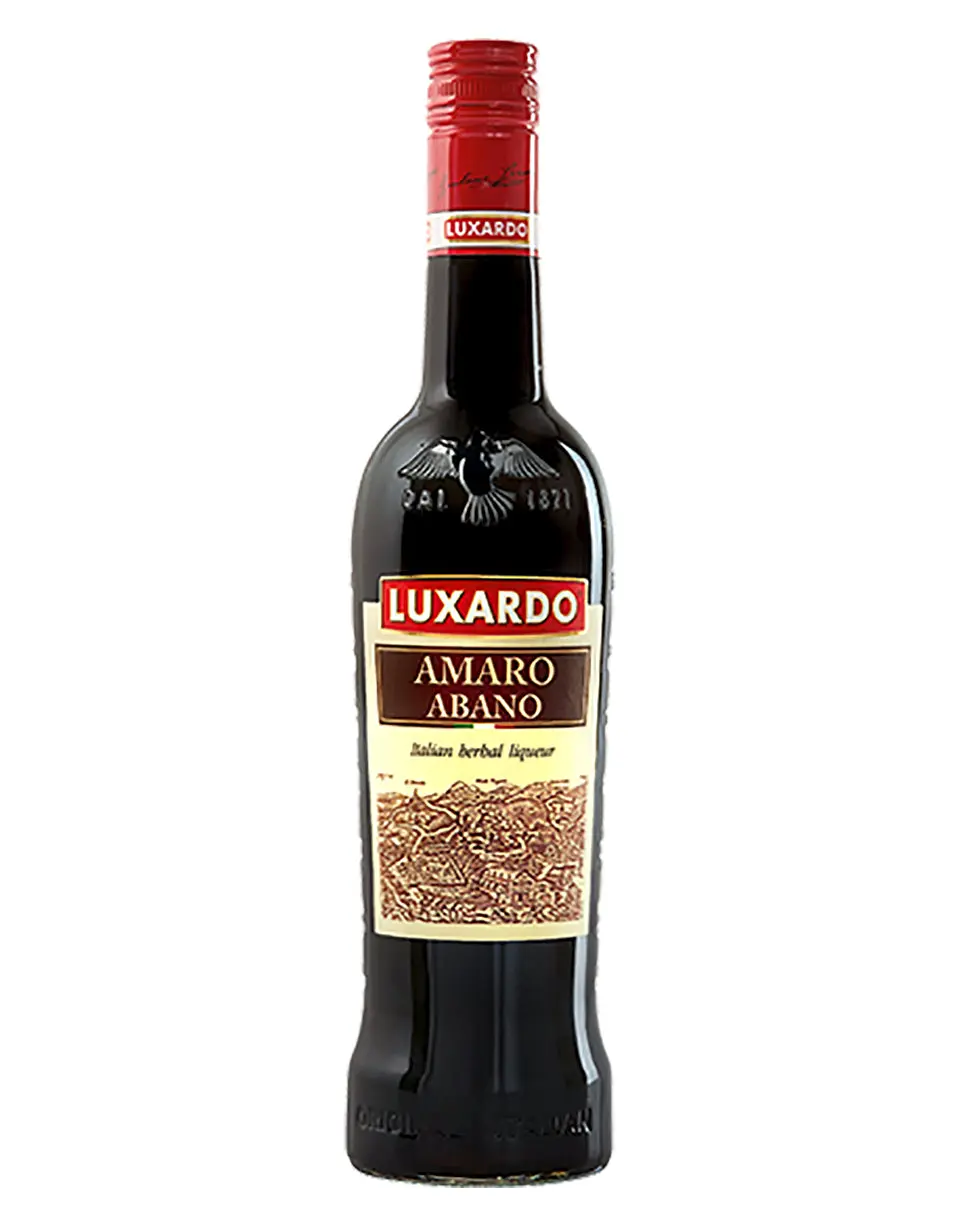
Amaro Abano
The spa-town digestivo of Padua — cinnamon, cardamom and old-fashioned calm.
Read the entry →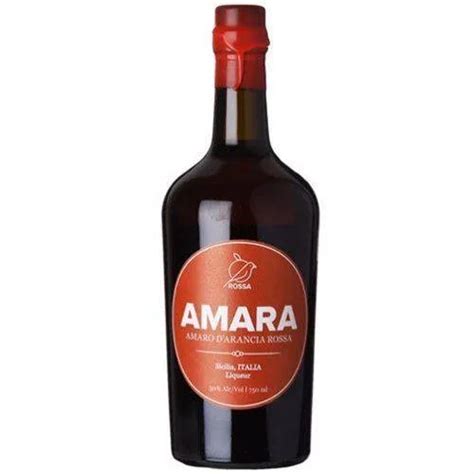
Amaro Amara
Blood oranges grown on the slopes of Etna, bottled by two Sicilians who thought no one had done it right.
Read the entry →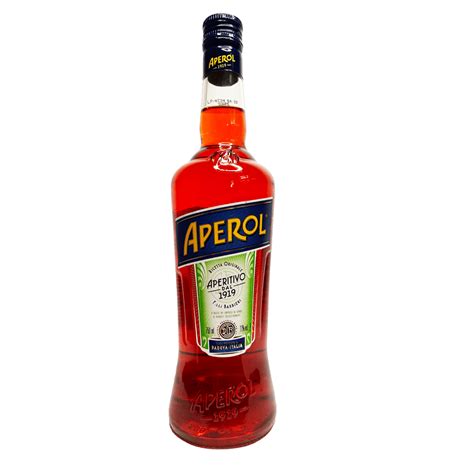
Aperol
The orange half of Italian aperitivo hour — low-proof, gently bitter, impossible to avoid.
Read the entry →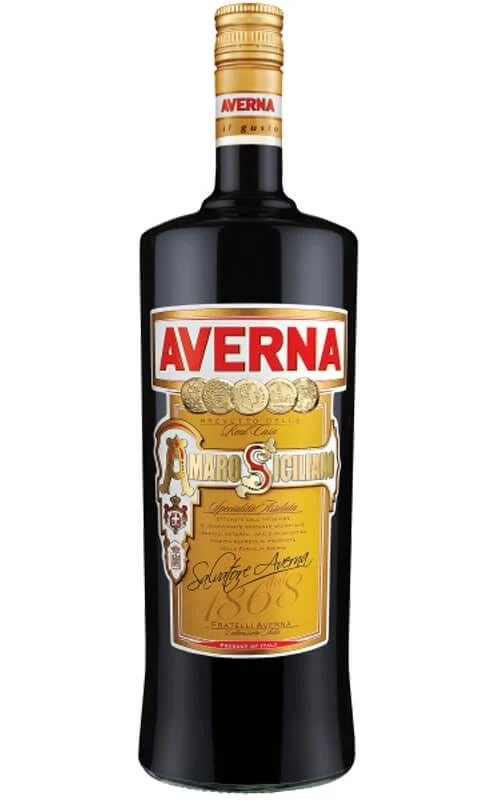
Amaro Averna
Caramel, citrus peel and monastery herbs from Caltanissetta — the warm, rounded classic of Sicilian amaro.
Read the entry →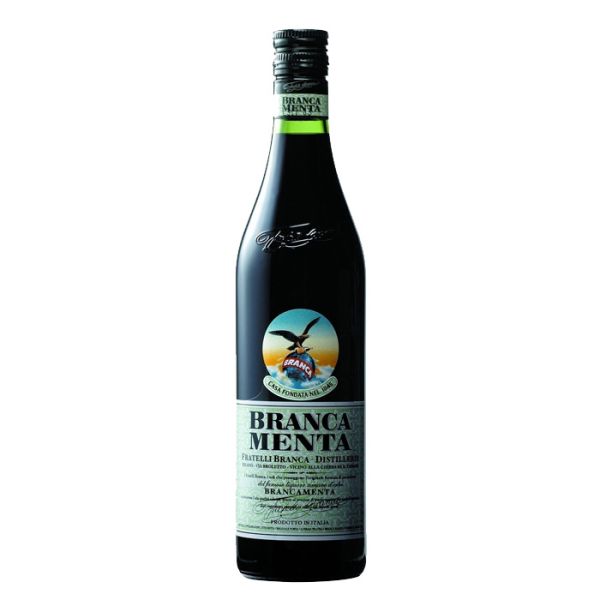
Branca Menta
Fernet-Branca with a blast of Piedmont peppermint — the mint one, and the reason the Hard Start exists.
Read the entry →
Braulio
The pine forest in a glass — Italy's definitive alpine amaro.
Read the entry →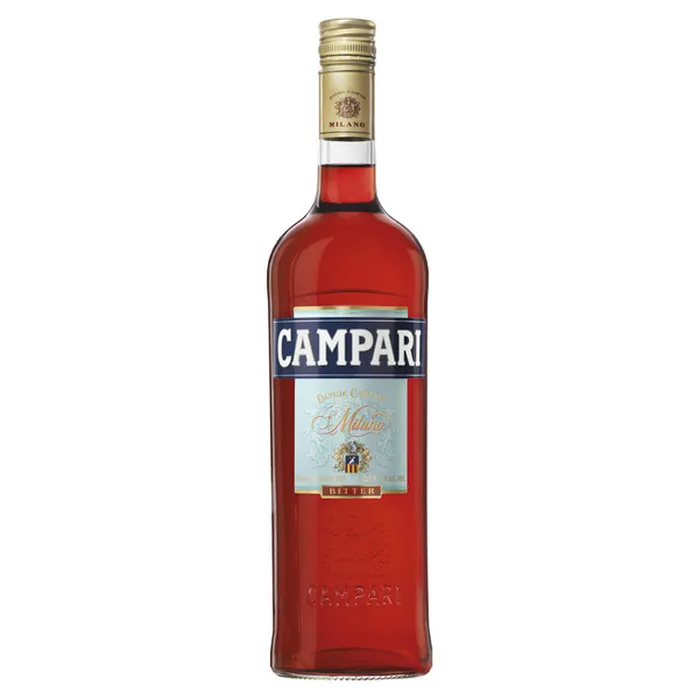
Campari
The scarlet aperitivo that built the Negroni — sharp orange-rind bitterness, and Italy's most recognizable red.
Read the entry →Cappelletti Aperitivo Americano Rosso
Wine-based, cochineal-red and gentian-dry — the bartender's Campari alternative.
Read the entry →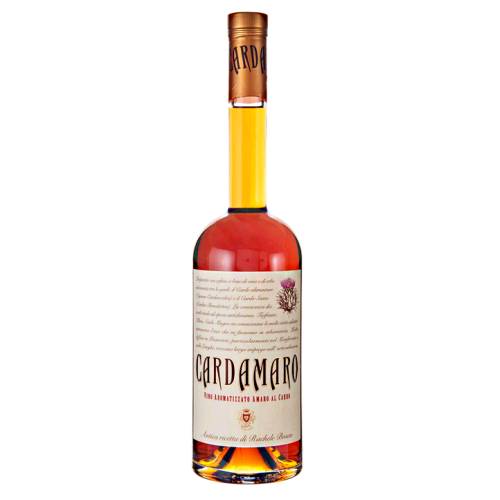
Cardamaro
Cardoon and blessed thistle in a Moscato base — the gentlest amaro on the shelf.
Read the entry →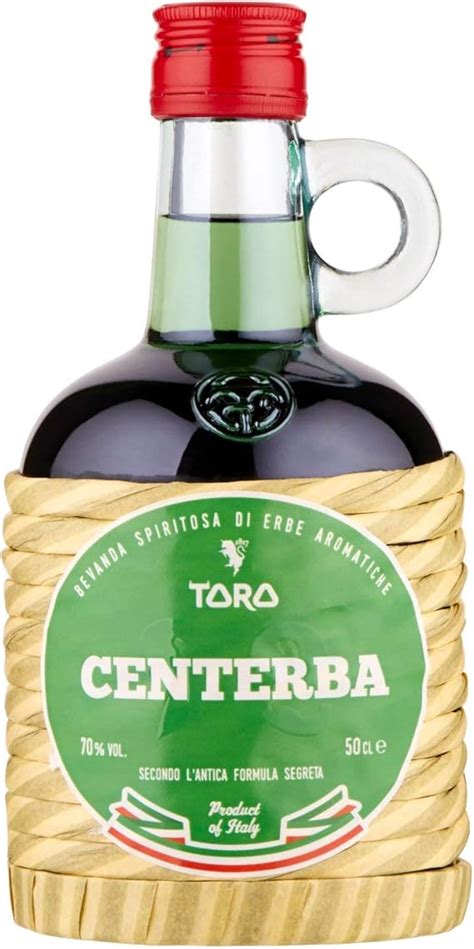
Centerba
A hundred herbs from the Maiella, bottled at up to 70% ABV — the fiercest green liqueur in Italy.
Read the entry →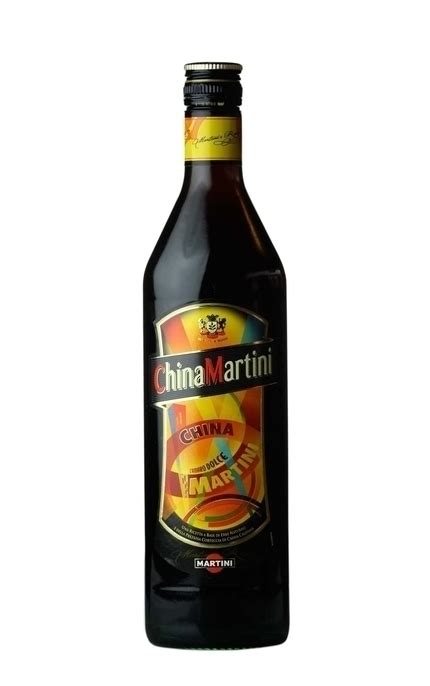
China Martini
Quinine bark turned into a liqueur — the bitter tonic that predates the cocktail.
Read the entry →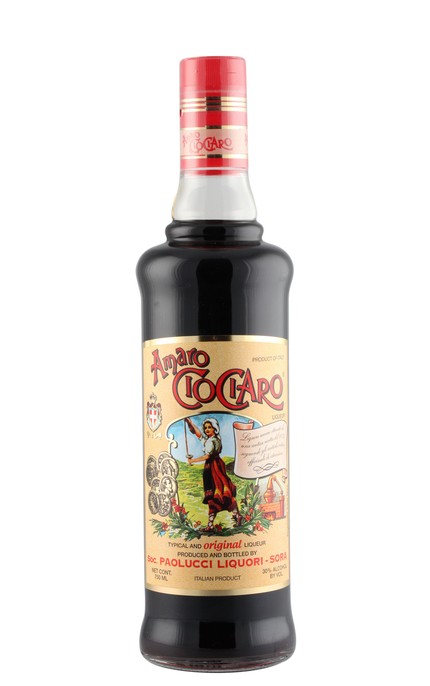
Amaro Ciociaro
Lazio's orange-forward amaro — and the Nonino substitute that costs half as much in a Paper Plane.
Read the entry →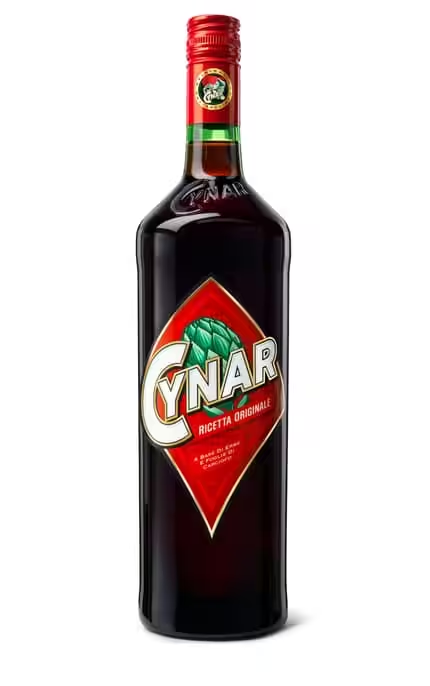
Cynar
The artichoke amaro — thirteen herbs and plants, a savory-bitter backbone, and the most versatile bottle on any cocktail shelf.
Read the entry →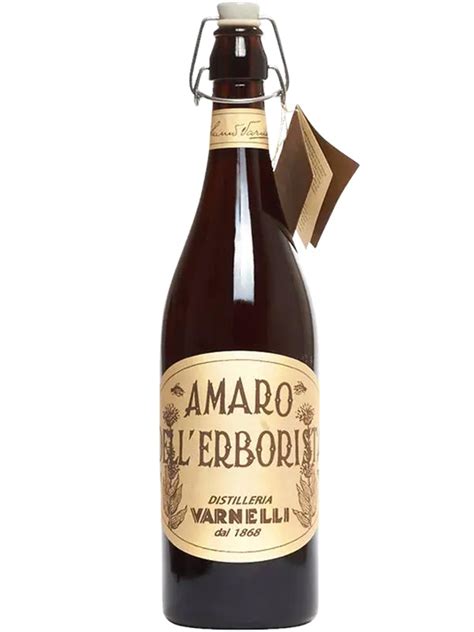
Amaro dell'Erborista
Unfiltered, cloudy and sweetened with raw honey — the most rustic bottle Varnelli makes.
Read the entry →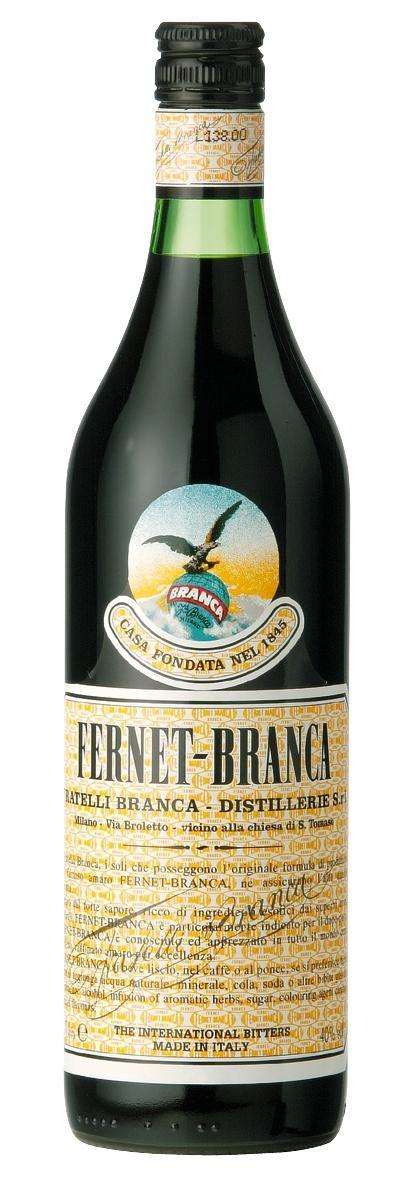
Fernet-Branca
Milan's uncompromising digestivo — 27 herbs, saffron, menthol and a bitterness that never apologizes.
Read the entry →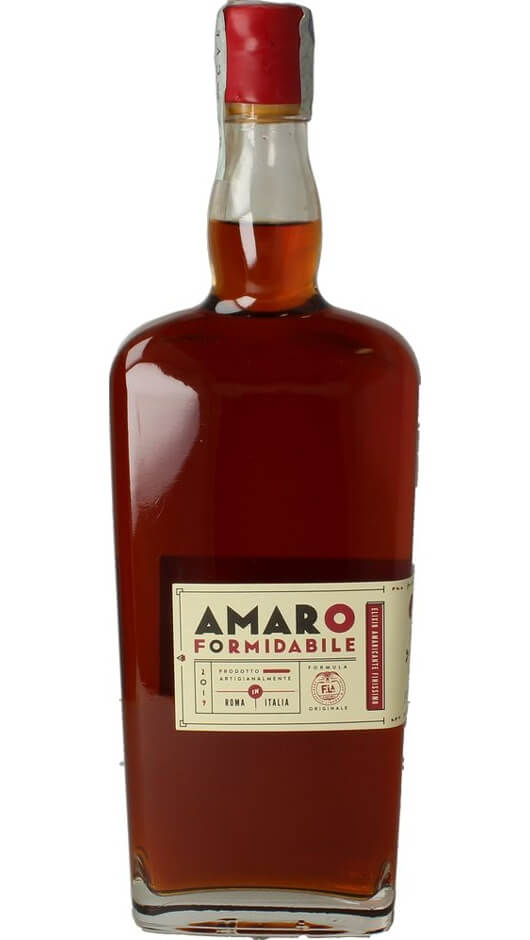
Amaro Formidabile
A new-wave Roman amaro built to be bitter first and sweet second.
Read the entry →Génépy / Amaro Alpino
The tiny alpine wormwood picked above 2,000 metres — Braulio's high-altitude cousin.
Read the entry →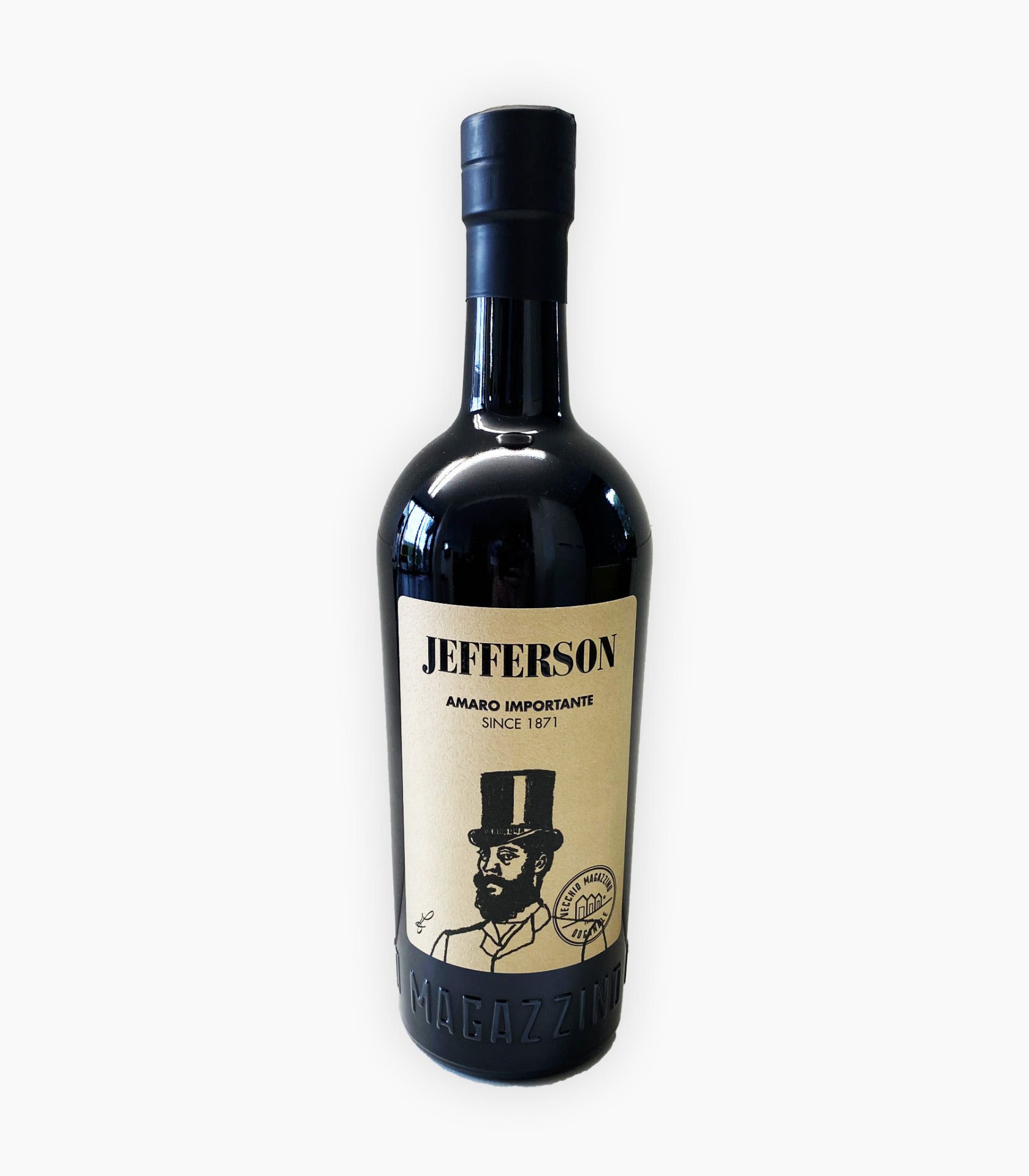
Amaro Jefferson
A Piedmontese cult bottle of orange and vanilla, named for an American president.
Read the entry →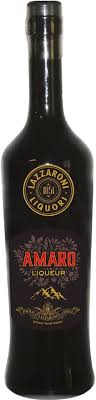
Amaro Lazzaroni
From the amaretti house of Saronno — almond, hay and warm spice.
Read the entry →Limoncello
Sorrento lemon peel, spirit and sugar — served ice-cold, the sweet bookend to every southern Italian dinner.
Read the entry →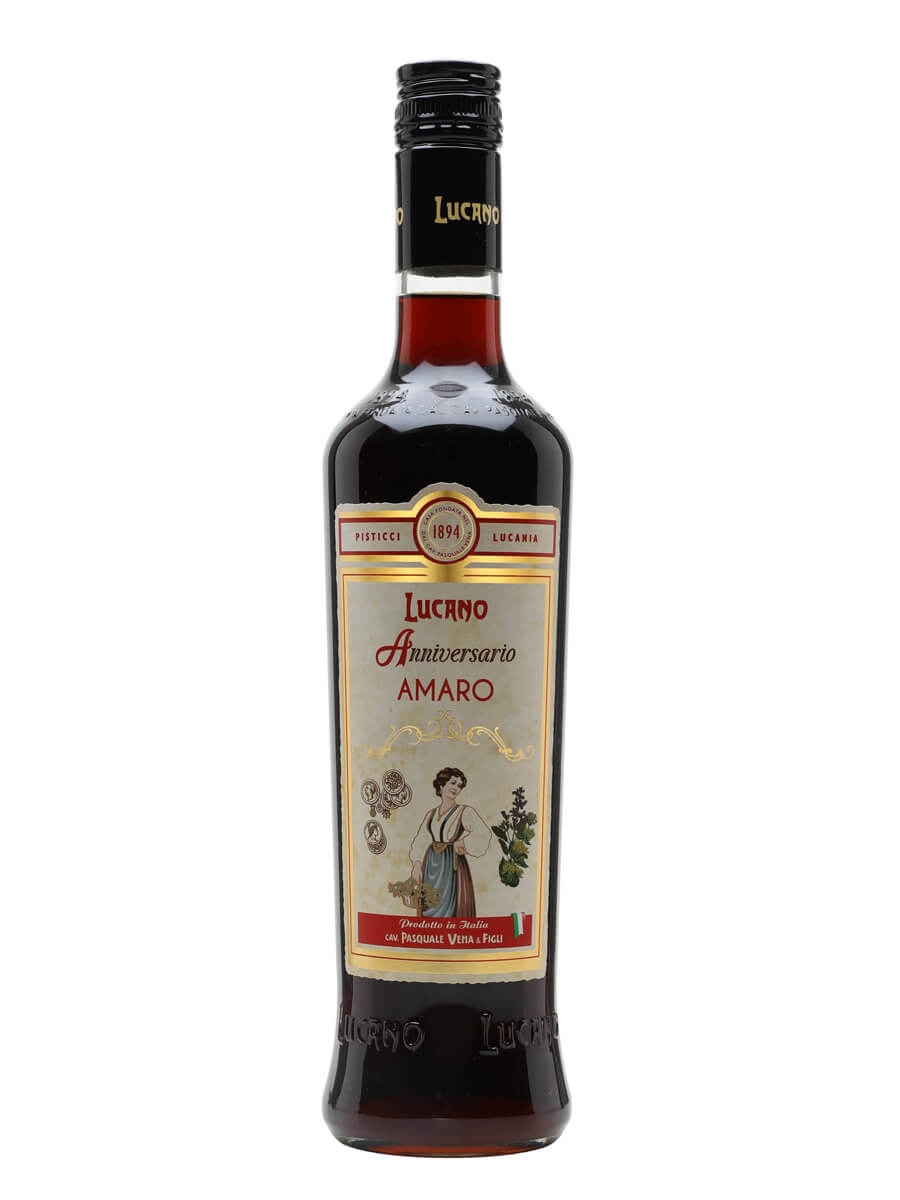
Amaro Lucano
Basilicata's family secret — more than thirty herbs, and the amaro every Italian household seems to own.
Read the entry →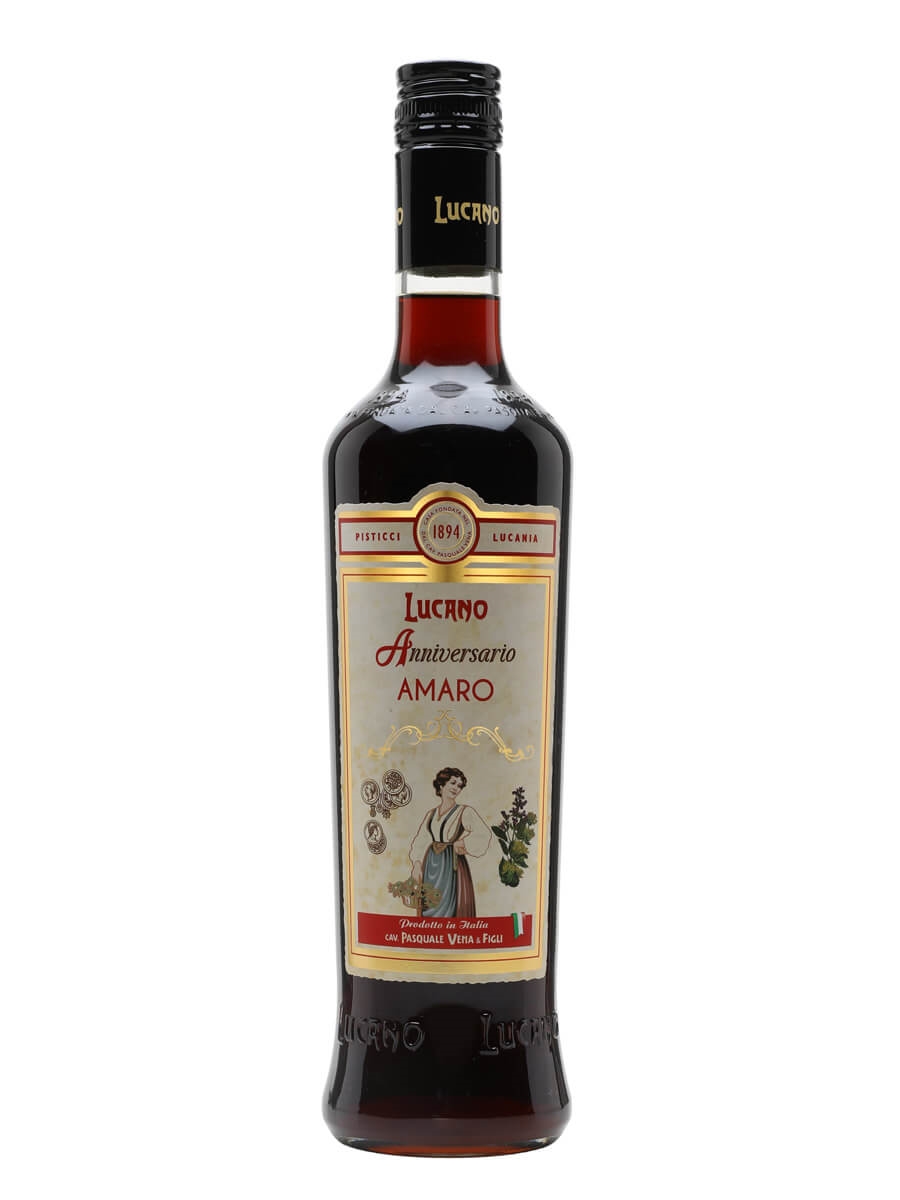
Amaro Lucano Anniversario
Lucano's 1894 recipe, aged and turned up — deeper, drier and built for sipping.
Read the entry →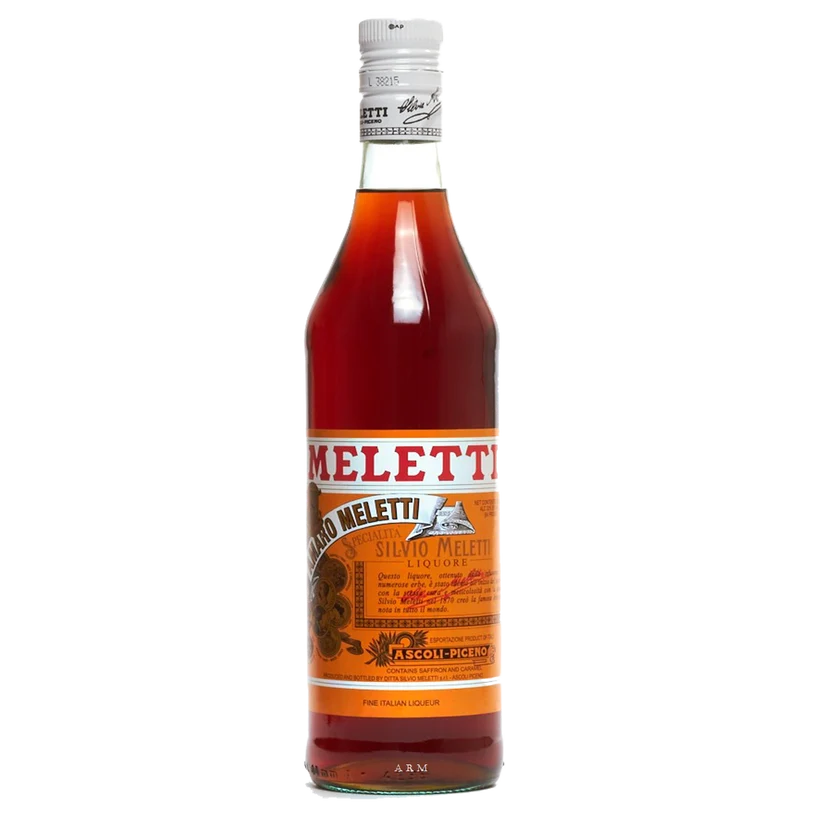
Amaro Meletti
Saffron and violet from the Marche — the amaro bartenders reach for when they want perfume.
Read the entry →Mirto di Sardegna
Wild myrtle berries steeped into a deep purple Sardinian liqueur — resinous, fruity and served arctic cold.
Read the entry →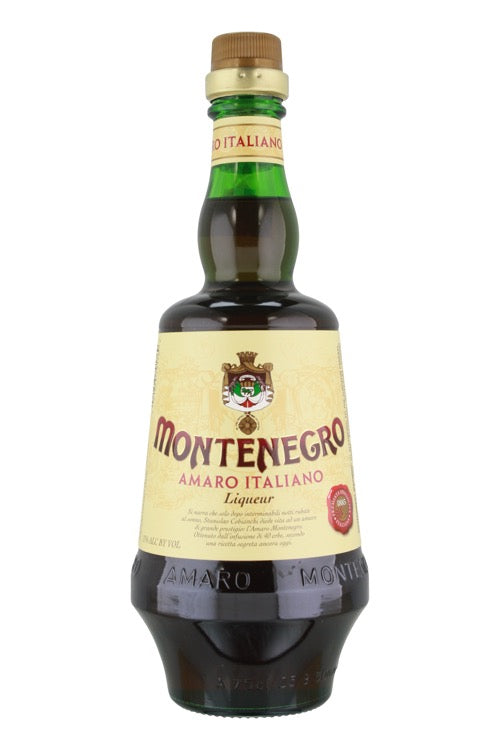
Amaro Montenegro
The gateway amaro — forty botanicals, orange blossom and vanilla, and the most approachable bitter in Italy.
Read the entry →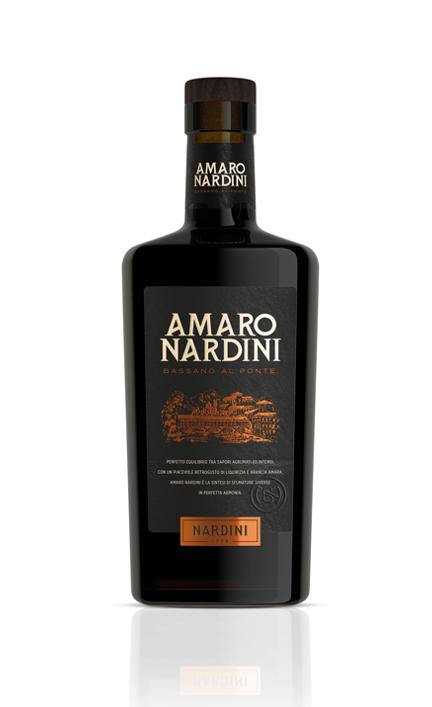
Amaro Nardini
Grappa-based, mint-and-gentian bitterness from Bassano del Grappa — the amaro that turns cloudy when you add water.
Read the entry →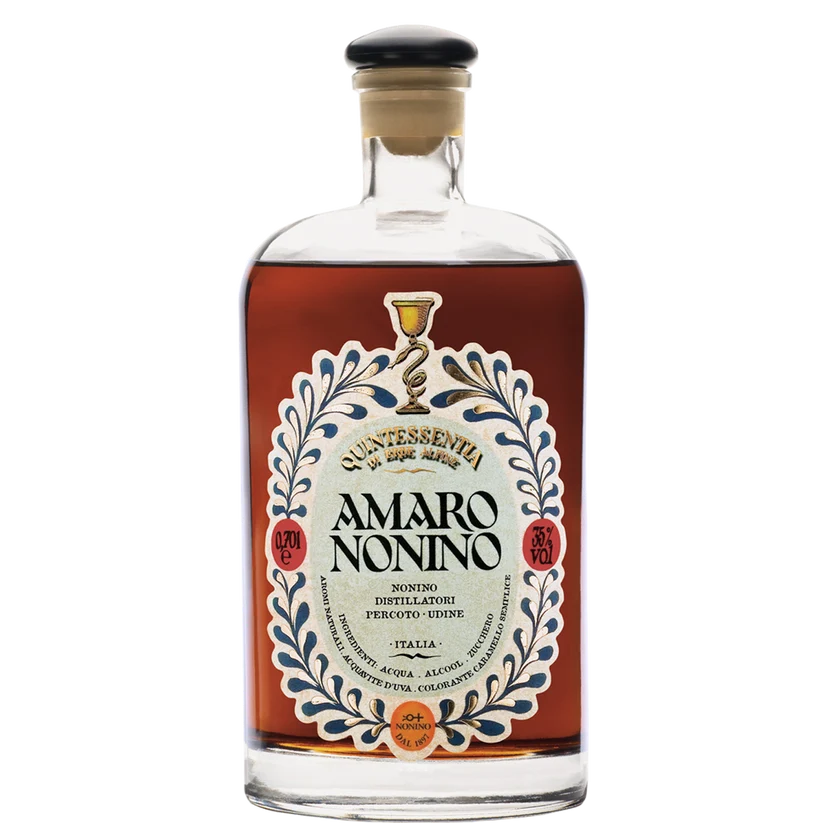
Amaro Nonino Quintessentia
The silkiest amaro on the shelf — a grappa base rested in barriques, and the reason the Paper Plane exists.
Read the entry →Amaro Pasubio
Wild blueberry and mountain pine in a wine base — the Dolomites in a glass.
Read the entry →Petrus Boonekamp
A Dutch name, an Italian bottle, and one of the most bracing bitters made anywhere.
Read the entry →Punt e Mes
One point of sweetness and half a point of bitter — the Turin stock exchange in a bottle.
Read the entry →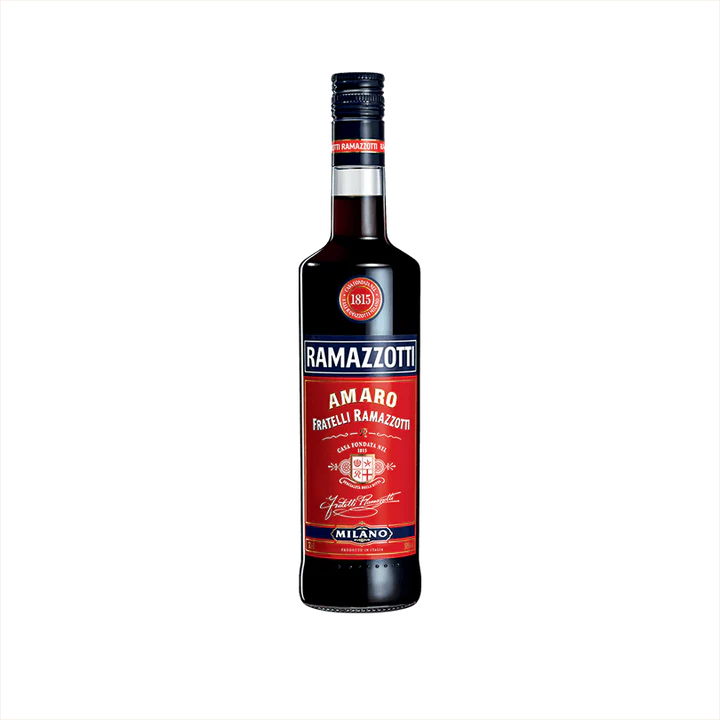
Amaro Ramazzotti
Milan's original café amaro — 33 botanicals, cola-and-orange warmth, and the bottle that invented Italian aperitivo advertising.
Read the entry →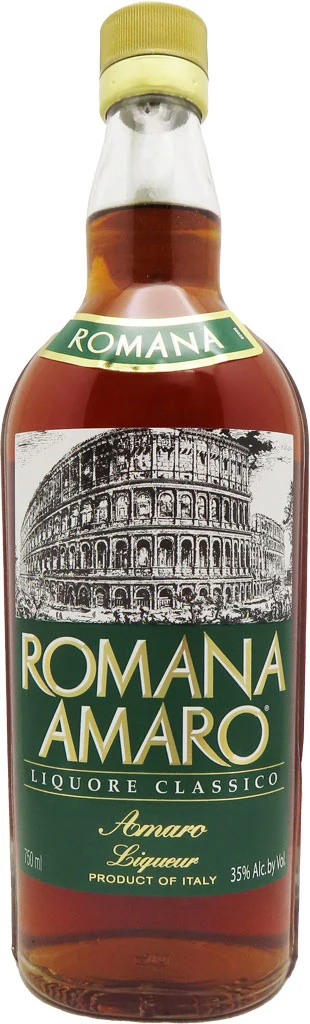
Romana Amaro
The Colosseum on the label, a dark herbal-citrus classic — Rome's answer to the after-dinner amaro at a friendly price.
Read the entry →Amaro Rupes
From the rock spires of the Dolomiti Lucane — Basilicata's modern amaro.
Read the entry →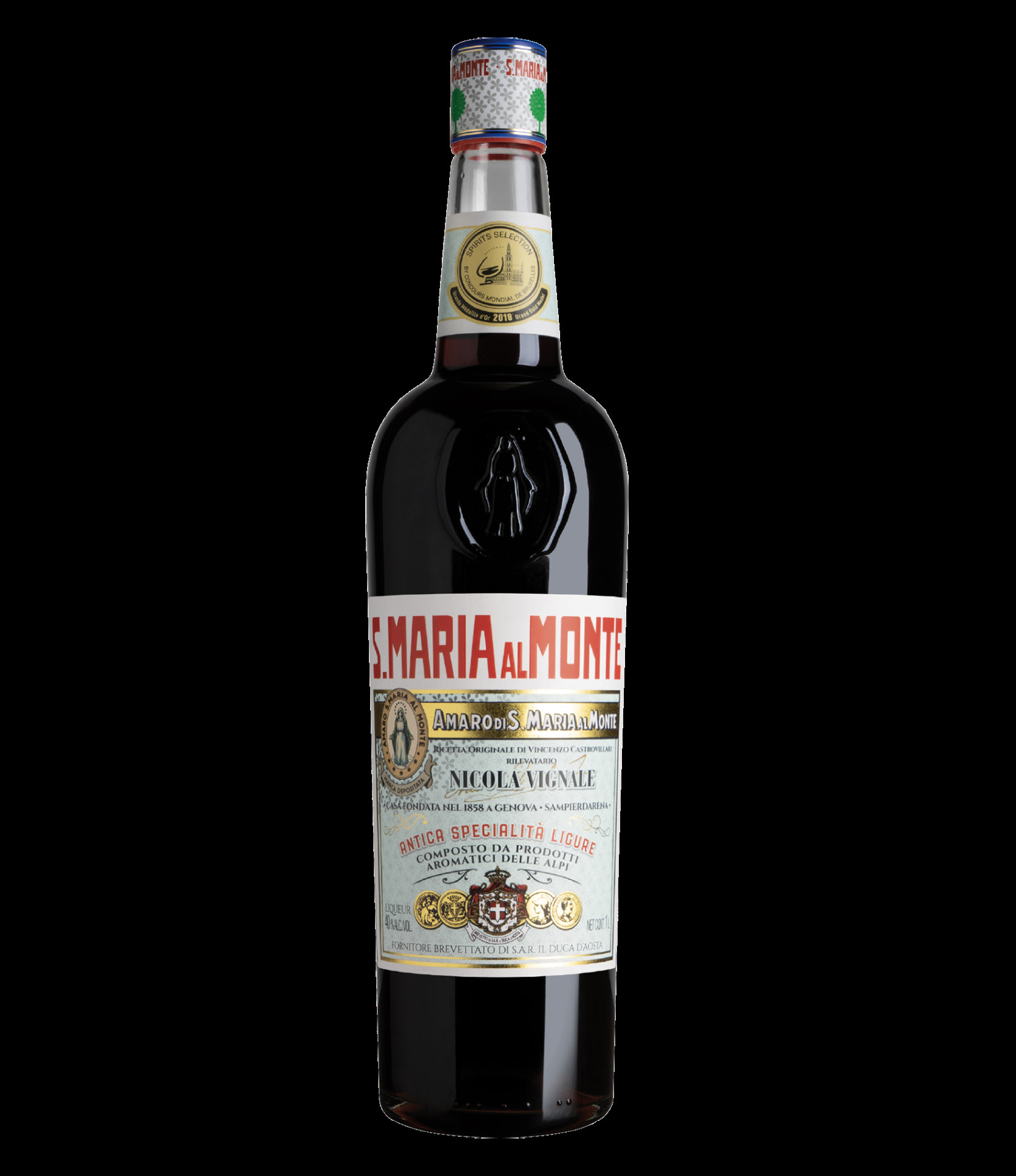
Amaro S. Maria al Monte
Genoa's fierce 1892 Ligurian classic — Alpine botanicals, 40% ABV, and a bitterness that rivals Fernet.
Read the entry →Sambuca (Molinari)
Star anise and elderflower, three coffee beans, and the end of every Roman dinner.
Read the entry →Select Aperitivo
The Venetian red bitter that actually belongs in a Venetian spritz.
Read the entry →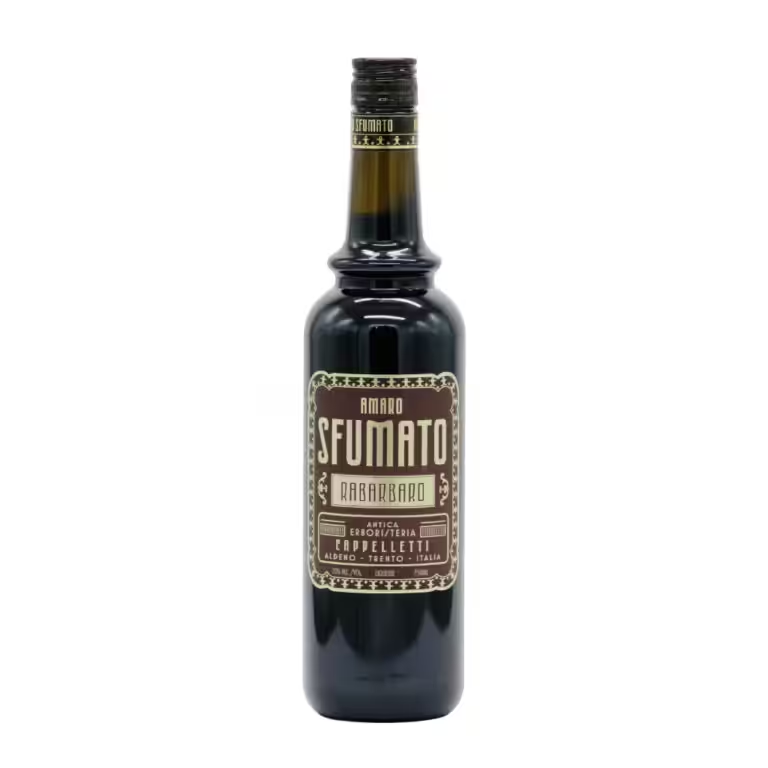
Amaro Sfumato Rabarbaro
Smoked rhubarb root from the Dolomites — the campfire bottle on the amaro shelf.
Read the entry →
Amaro Sibilla
Bitter honey and mountain gentian from the Sibillini — the cult bottle serious drinkers hunt down.
Read the entry →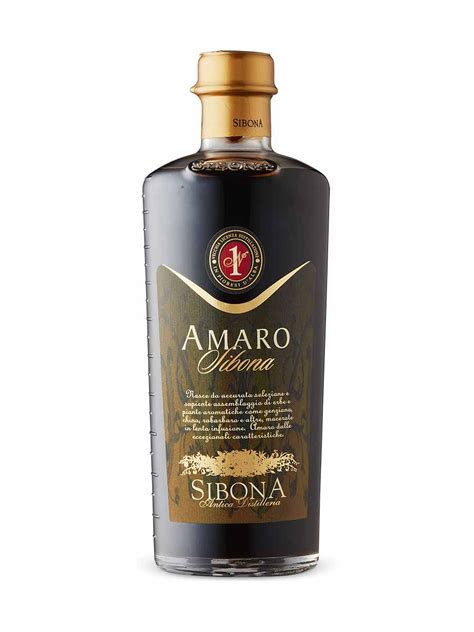
Amaro Sibona
A grappa distillery's amaro — seventeen botanicals over a Piedmont spirit base, with honey to round it.
Read the entry →Strega
The Witch of Benevento — seventy herbs, saffron yellow, unmistakable.
Read the entry →Amaro Tosolini
Friuli's grappa-based amaro — darker and more bitter than its famous neighbour.
Read the entry →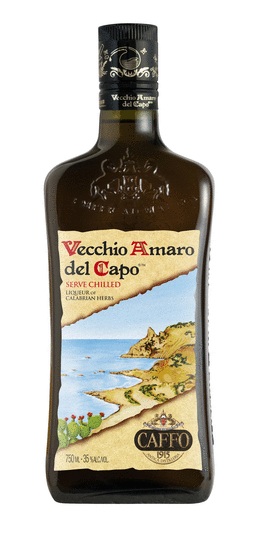
Vecchio Amaro del Capo
Twenty-nine Calabrian herbs, drunk straight from the freezer — the most generous, most shareable amaro in Italy.
Read the entry →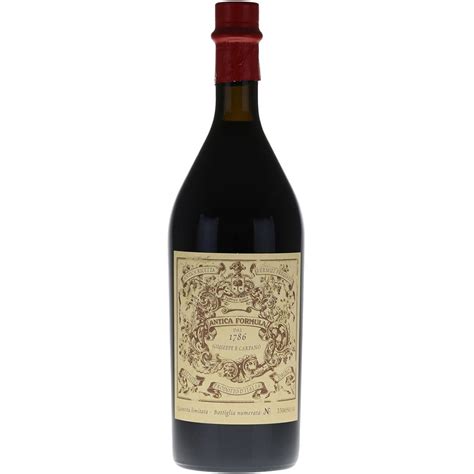
Vermouth di Torino
Not an amaro, but the wormwood-spiked wine that made Italian aperitivo possible — and the backbone of the Negroni.
Read the entry →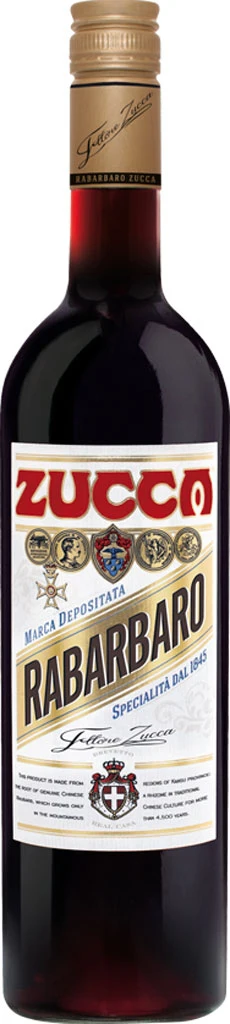
Zucca Rabarbaro
The Milanese rhubarb aperitivo that once had its own bar in the shadow of the Duomo.
Read the entry →More entries coming
Montenegro, Fernet-Branca, Nonino, Averna, Cynar, Meletti and the rest of the shelf are in the works.