Ingredients
Vermouth di Torino is a protected designation: wine-based, produced in Piedmont, flavored with Artemisia — wormwood — grown or the variety native to the region, fortified and sweetened. Beyond the mandatory wormwood, houses build their own botanical blends around vanilla, bitter orange, cinchona, rhubarb, cocoa, clove and cinnamon. Rosso is sweetened and colored with caramel; bianco is sweet and floral; dry is lean and saline.
- ✦Artemisia (wormwood)
- ✦Bitter orange peel
- ✦Vanilla
- ✦Cinnamon
- ✦Clove
- ✦Cinchona bark
- ✦Rhubarb root
- ✦Cocoa
- ✦Gentian
- ✦Cardamom
- ✦Caramel (rosso)
History of the Brand
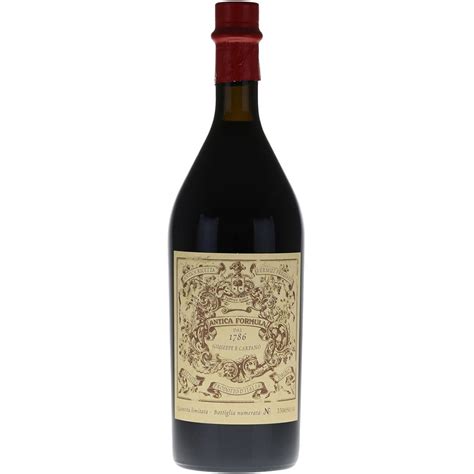
Antonio Benedetto Carpano is credited with creating the modern style in Turin in 1786, aromatizing Moscato wine with herbs and spices and selling it from his shop near Piazza Castello. It caught on with the Savoy court and Turin became the world capital of vermouth.
The nineteenth century brought the great houses — Cinzano, Martini & Rossi, Gancia — and industrial export. Punt e Mes, Carpano's famously bitter half-sweet style, is said to date to a Turin stock-exchange trader's order of 'a point and a half' at the bar.
Vermouth di Torino won protected status in 2017, tying the name to Piedmontese production and to Artemisia. That revival brought back small producers and cask-rested bottlings after decades of the category being treated as a mixer.
Without it there is no Negroni, no Manhattan, no Americano, no Martini — vermouth is the connective tissue between Italian bitters and the entire classic cocktail canon.
Tasting Characteristics
Dried figs, vanilla and orange peel with a cool wormwood-and-clove herbal lift.
Rounded and vinous: caramel, raisin and cherry sweetness cut by bitter root and a savory herbal edge. Punt e Mes pushes the bitterness much further.
Medium, faintly bitter and drying, with cocoa and spice — refreshing rather than heavy.
Flavor meter
How to serve it
- 01Neat over ice with an orange twist — the Turinese aperitivo, and still the best test of a bottle.
- 02In a Negroni, Boulevardier or Americano, where it is the sweet counterweight to bitter liqueur.
- 03Split with soda for a very low-ABV afternoon drink.
- 04In a Black Manhattan or Bensonhurst, where vermouth and amaro share the stage.
- 05Refrigerate after opening — it is wine, and it fades within a month.
Where to Get It
Widely available, with quality varying enormously by producer. Cocchi Storico Vermouth di Torino, Carpano Antica Formula and Punt e Mes are the reference bottles in most markets.
Local bottle shops
Look for the Vermouth di Torino designation on the label; expect $18–$40 depending on house.
Online spirits retailers
Well stocked, including smaller Piedmontese producers rarely seen in stores.
Wine shops
Often better selection and turnover than a liquor store, which matters for a wine-based product.
Affiliate buying links coming soon.
Vermouth di Torino FAQ
What is Vermouth di Torino?
+
A protected designation for wine-based aromatized vermouth produced in Piedmont and flavored with Artemisia (wormwood). It is fortified to 16–18% ABV and made in rosso, bianco and dry styles.
Is vermouth an amaro?
+
No. Amaro is a bitter liqueur made on a spirit base; vermouth is aromatized wine. They overlap in botanicals and in aperitivo culture, and both rely on bitter herbs, but vermouth is lower in alcohol and wine-driven.
What does sweet vermouth taste like?
+
Dried fruit, caramel and vanilla with orange peel, warm baking spice and a bitter wormwood edge. Punt e Mes is the notably bitter version of the style.
How long does vermouth last after opening?
+
Refrigerate it and drink it within about a month. As a wine product it oxidizes quickly; a dusty room-temperature bottle is the most common reason a Negroni tastes flat.
Which vermouth is best for a Negroni?
+
Carpano Antica Formula gives a rich, vanilla-heavy drink; Cocchi Storico is balanced and bittersweet; Punt e Mes makes the most bitter, spirit-forward version.