Start Here
Amaro 101
Everything you need to understand Italy's bittersweet herbal liqueurs — where they came from, how the styles differ, what to pour them into, and where each region's tradition lives. Work through the lessons in order, or jump to whatever you're curious about.
Lesson 01
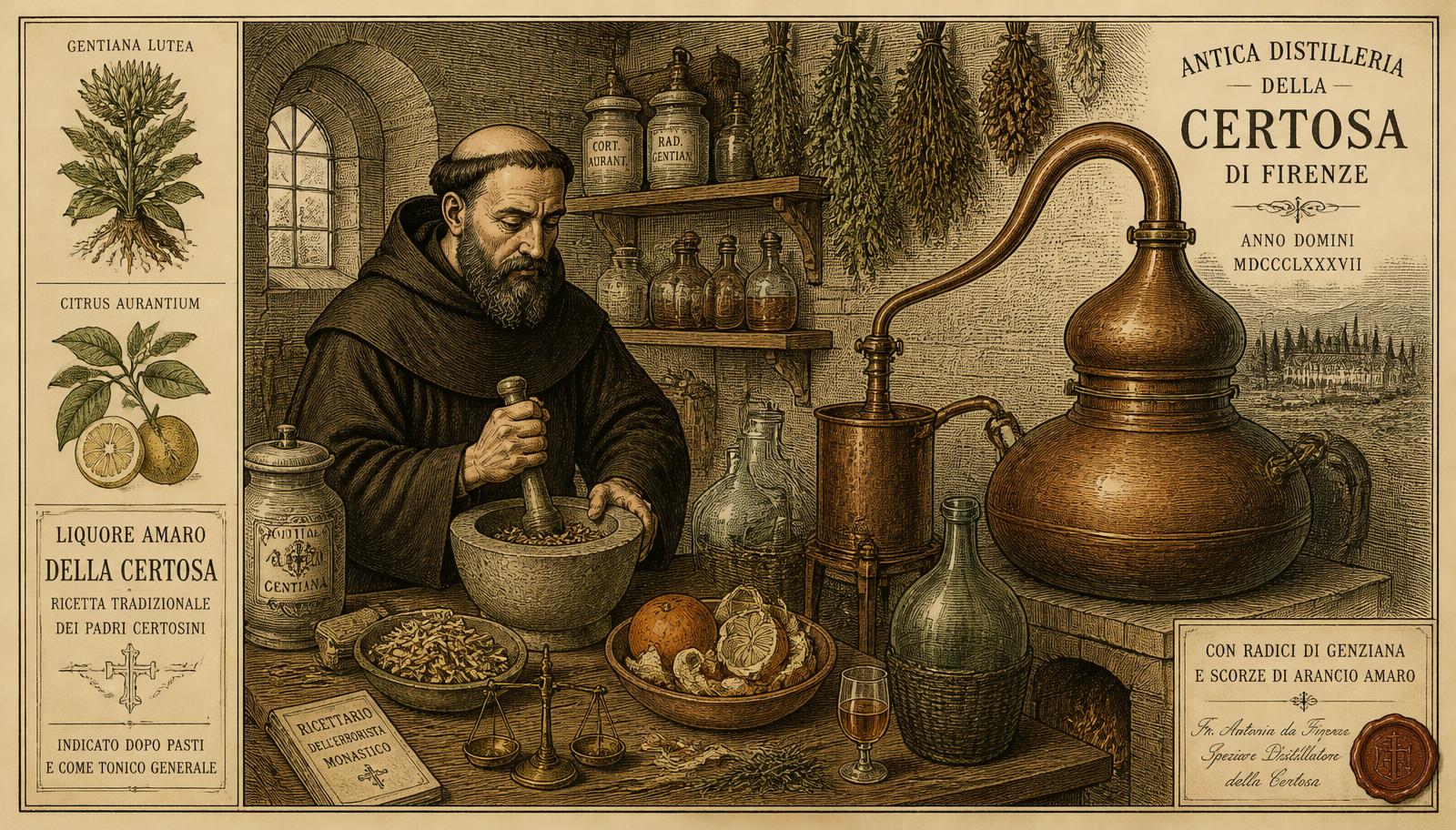
The History of Amaro
From monastery herbals and medieval pharmacies to the great 19th-century houses of Bologna, Milan and Sicily — and the American amaro revival.
Lesson 02
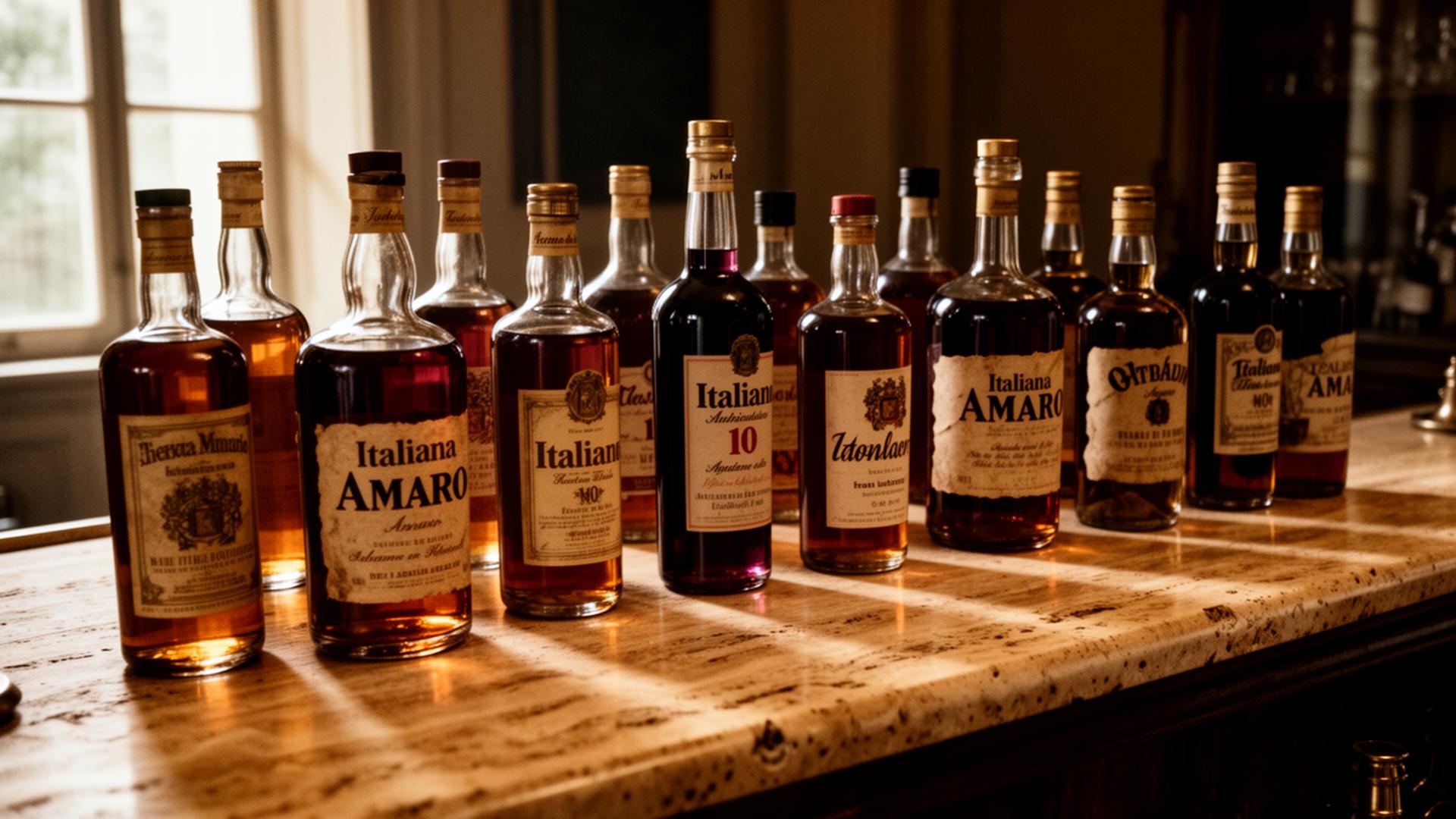
Types of Amaro
23 Italian amari sorted into flavor families — light, medium, alpine, carciofo, fernet and rabarbaro — with tasting notes for each.
Lesson 03
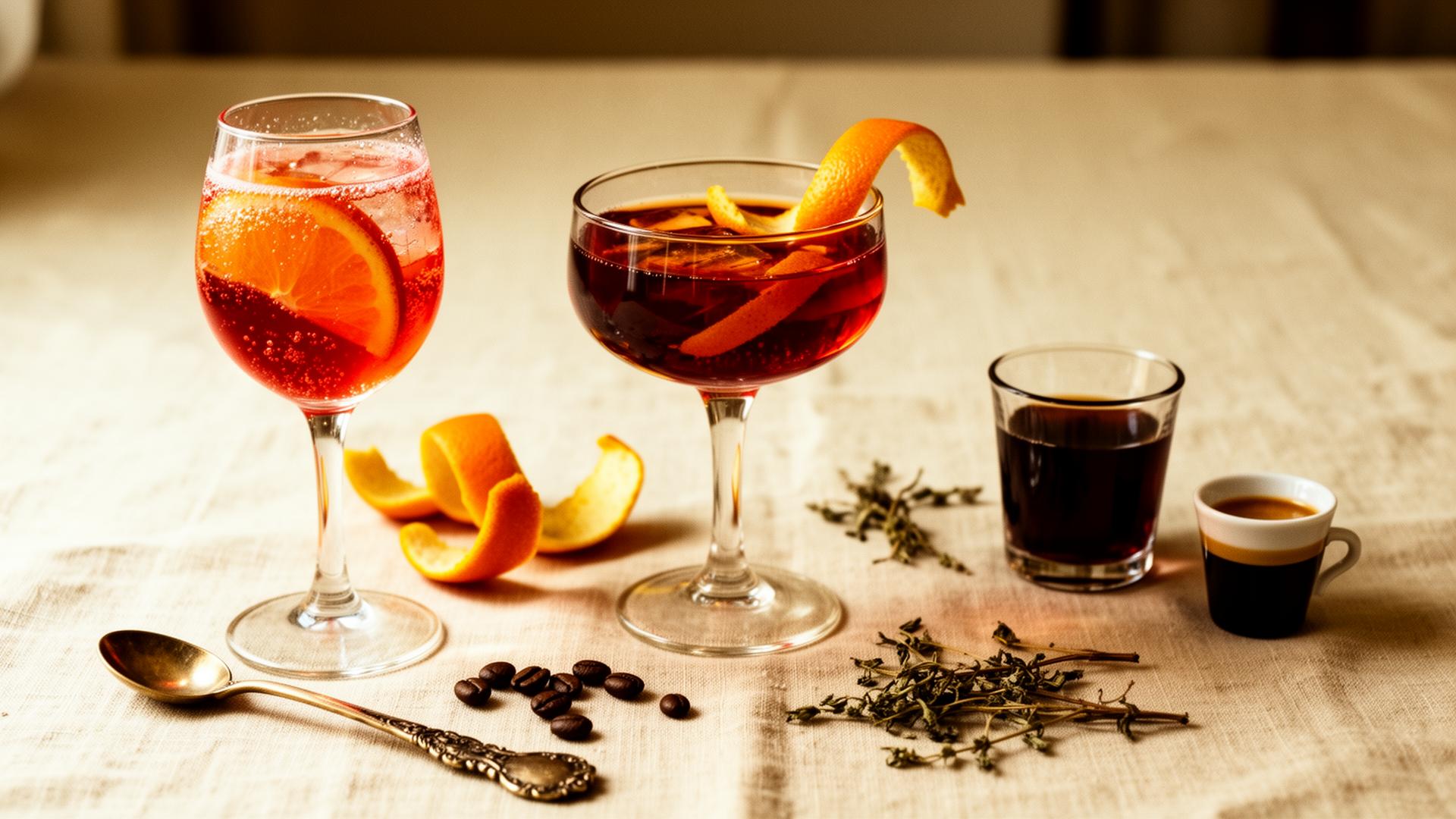
Amaro vs. Digestivo vs. Aperitivo
Campari or Averna? Before dinner or after? The clearest explanation of how these three overlapping categories actually relate.
Lesson 04
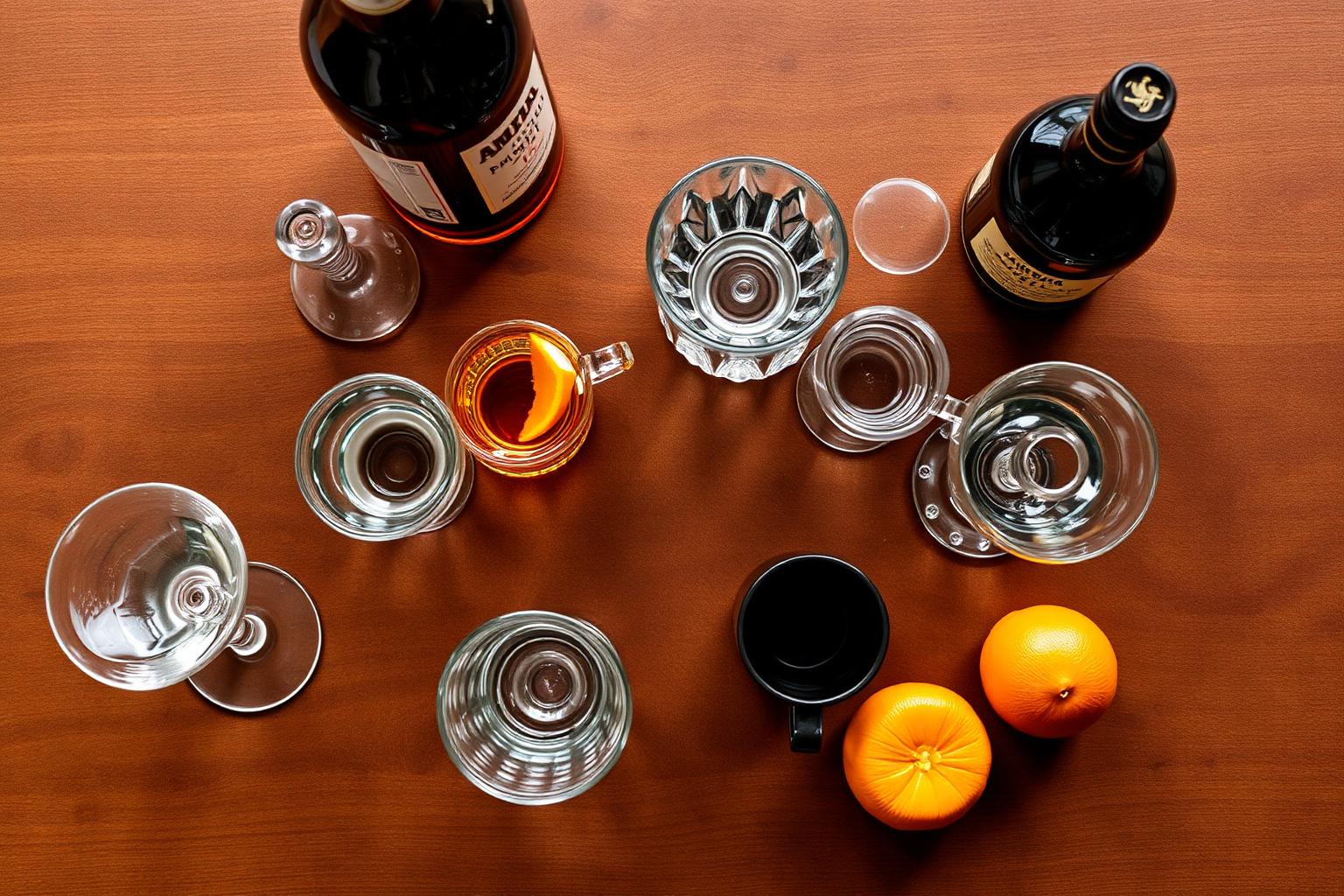
The Glassware Guide
Nick & Nora, coupe, rocks, snifter, highball — which glass flatters which bitter, and what to buy for a home amaro bar.
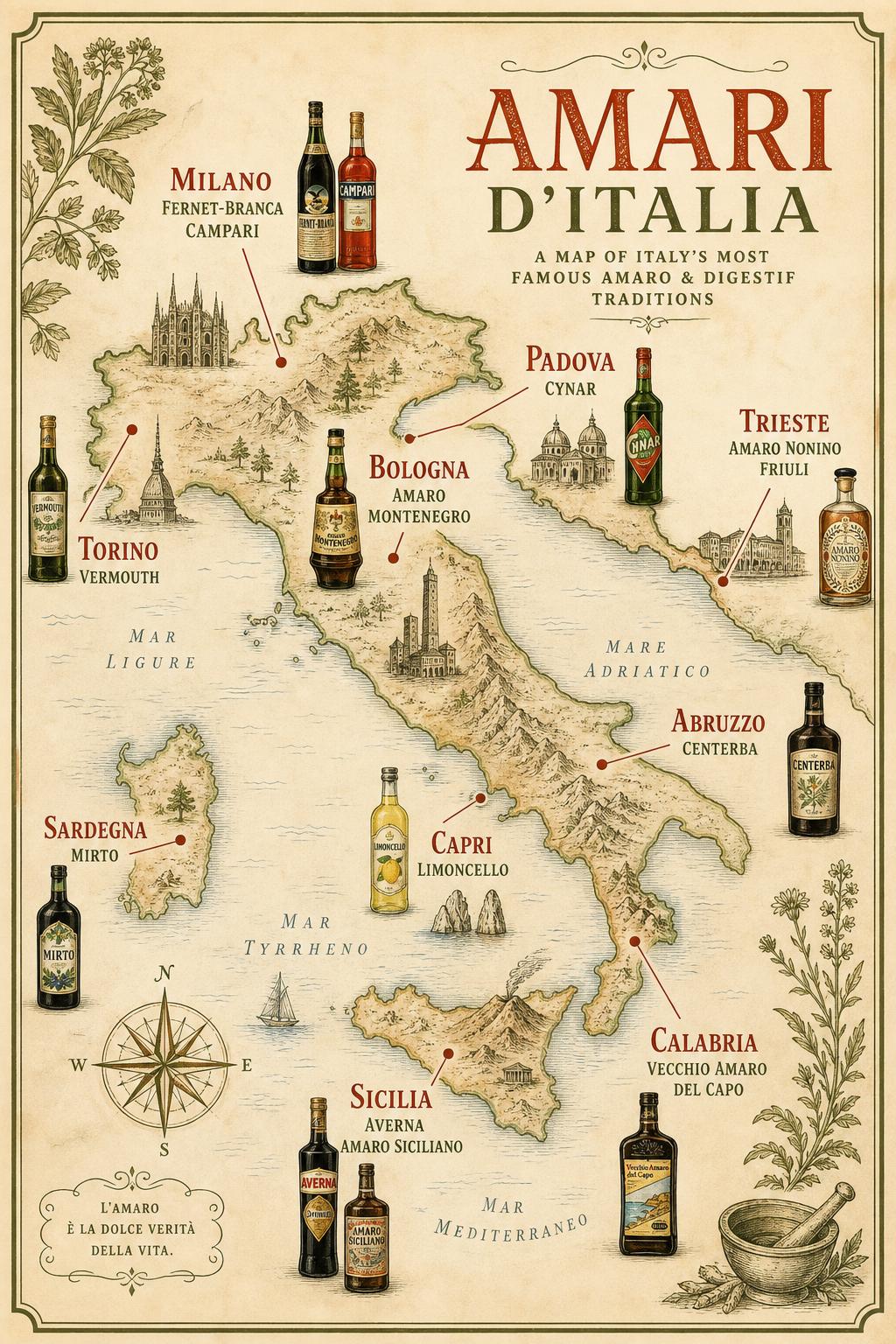
Lesson 05
The Drinker's Map of Italy
Region by region, the bottle each corner of Italy pours after dinner — from Alpine Braulio to Sardinian mirto.
Amaro, quickly answered
What is amaro?
Amaro (Italian for 'bitter') is a herbal liqueur made by infusing a neutral or wine-based spirit with roots, barks, citrus peels, flowers and herbs, then sweetening it. Most sit between 16% and 40% ABV and are drunk after a meal as a digestivo.
Where should a beginner start?
Start with a gentle, citrus-forward bottle such as Amaro Montenegro or Amaro Nonino before moving to bracing styles like Fernet-Branca. Then read the Types of Amaro guide to find your flavor family.
Is Campari an amaro?
Campari is a bitter aperitivo rather than a classic digestivo amaro, but it belongs to the same bitter-liqueur family and is made the same way. We cover it here for exactly that reason.
How do you drink amaro?
Neat at room temperature or lightly chilled is traditional. Amaro also works over a large ice cube, topped with soda, or as the backbone of cocktails like the Paper Plane, Black Manhattan and Negroni.