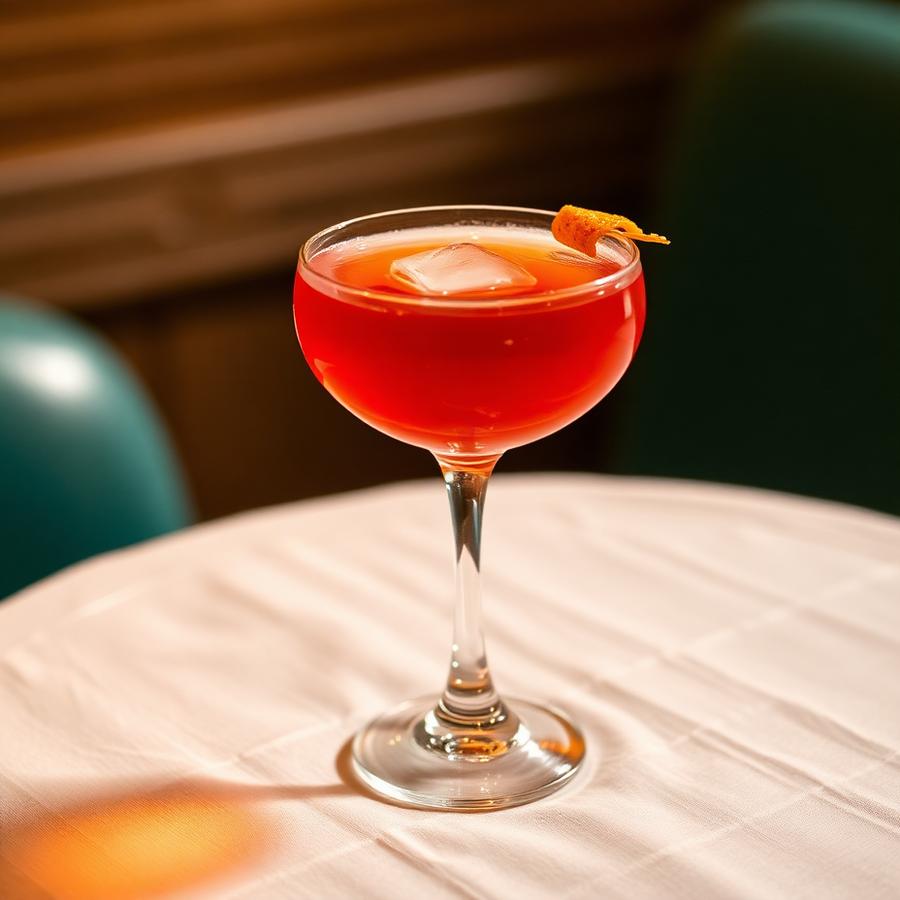
The 10 Amari Every Italian Restaurant Should Have
A back-bar blueprint: ten bottles that cover every guest, every course, and every price point — without a single dead pour.
August 5, 2026 · 8 min read · Robert Parker Cross
Walk into most Italian restaurants in America and the digestivo list is two bottles deep: something sweet and dusty, and a bottle of limoncello living in the freezer since the Obama administration.
That is a missed opportunity — for the guest, and for the check average. A well-built amaro shelf costs less than a single case of decent Barolo, turns faster than dessert, and gives a server a reason to come back to the table one more time.
Here are the ten bottles I would put on any Italian restaurant back bar, and why each one earns its space.
1. Amaro Montenegro — the one you pour for everyone
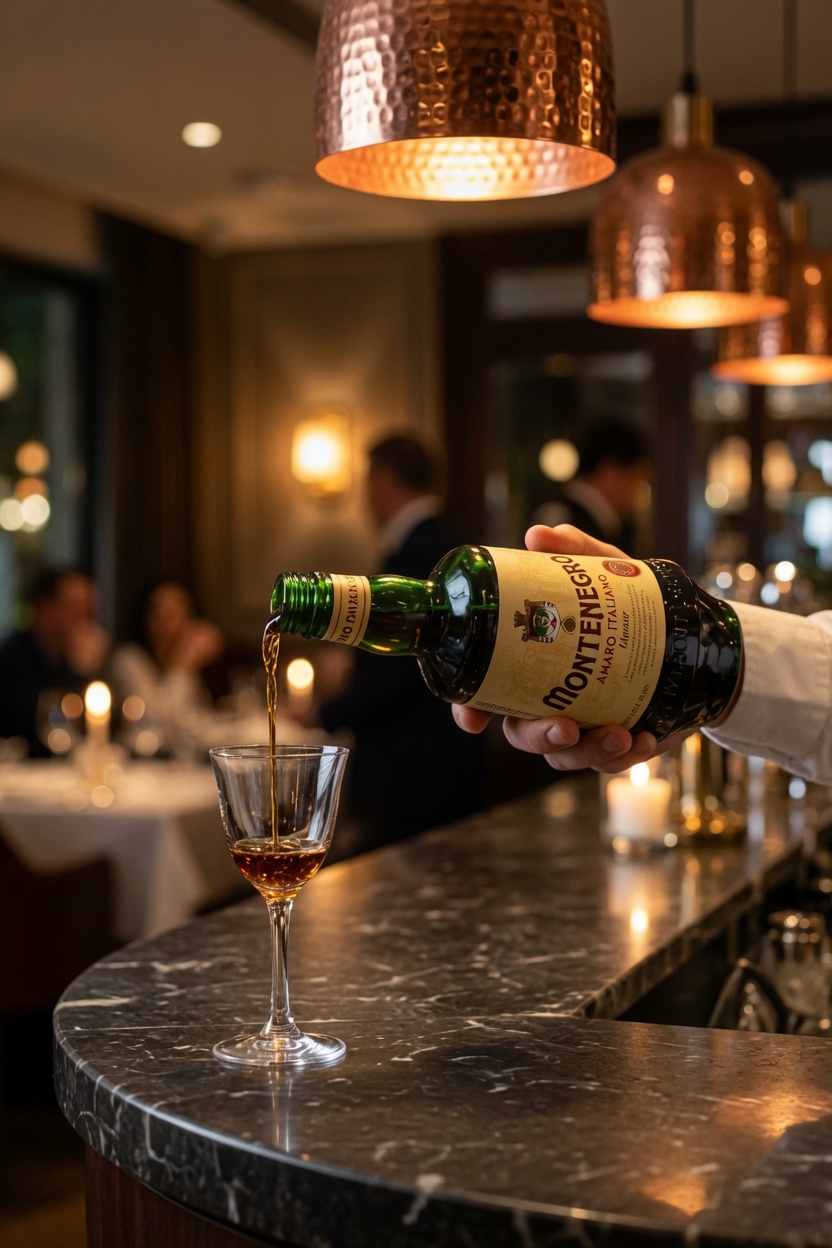
If you buy one bottle, buy this one. Montenegro is the diplomat of the category: rose petal, orange peel, vanilla, a bitterness that arrives politely and leaves early. Nobody has ever sent it back.
Use it as the training-wheels pour for the guest who says "I don't like bitter things." Nine times out of ten they finish it and ask what it was.
Montenegro is the diplomat of the category. Nobody has ever sent it back.
2. Amaro Nonino Quintessentia — the one that justifies the price
Nonino is the bottle that makes the list look serious. Distilled by the Nonino family in Friuli and aged in barriques, it is built on grappa rather than neutral spirit, which gives it a warmth and a silkiness that reads closer to a fine brandy than a bitter.
Apricot, orange, caramel, gentle wood, and a bitterness that is more suggestion than statement. It is the pour to recommend when a table has just spent real money on dinner and does not want the evening to end. It also happens to be the backbone of the Paper Plane, which means the bottle earns twice — once at the table and once at the bar.
Price it as a premium pour. Guests who know Nonino will order it on sight; guests who don't will trust the server who explains it.
3. Braulio — the alpine bottle that surprises people
Made in Bormio, high in the Valtellina near the Swiss border, Braulio tastes like the place it comes from: pine, mountain herbs, gentian root, wormwood, a cool menthol lift on the finish. It is the closest thing in the category to walking into a forest after a snowfall.
On a menu, Braulio does a specific job. It gives your alpine and northern dishes — polenta, braised game, anything with butter and sage — a digestivo that belongs to the same landscape. Serve it cold, straight from the refrigerator, in a small glass.
It is also the bottle that converts skeptics fastest after Fernet, because the flavor is so vividly of somewhere.
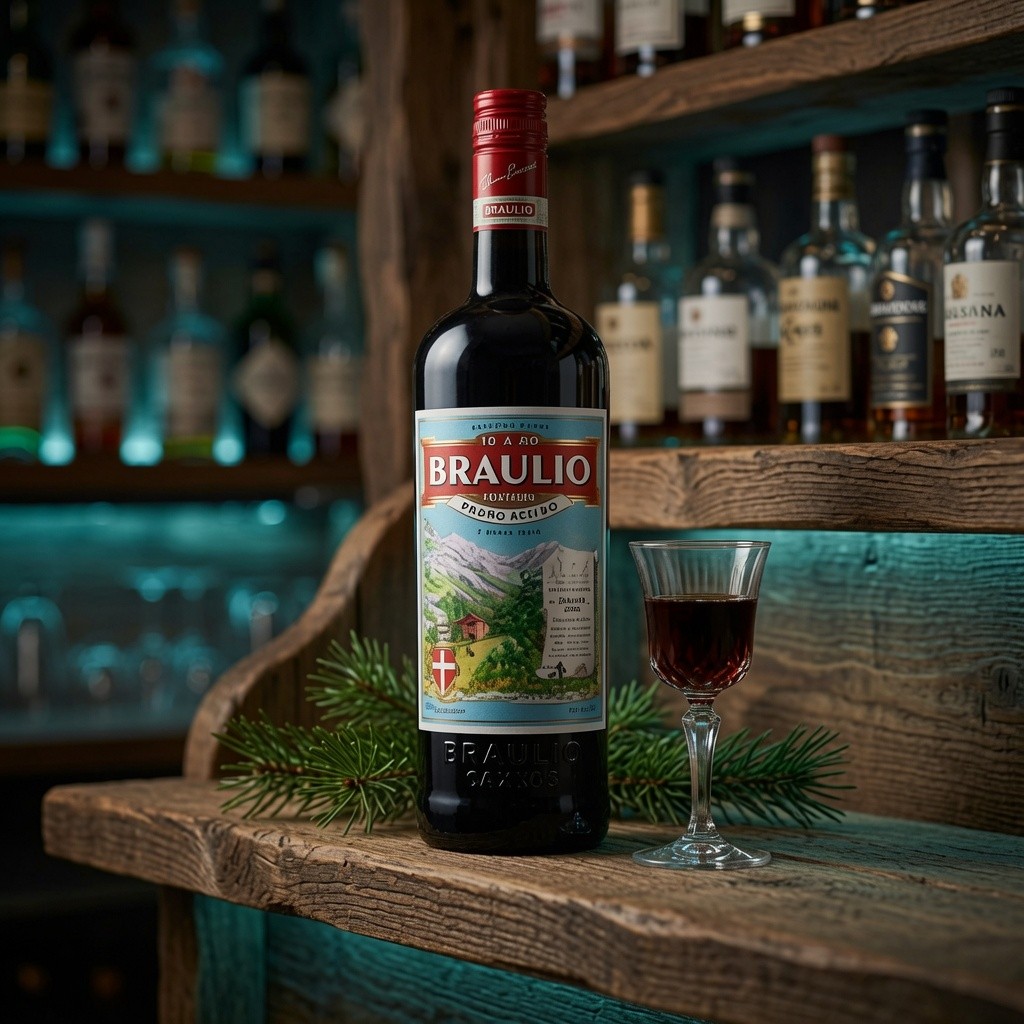
Braulio tastes like walking into a forest after a snowfall.
4. Fernet-Branca — the bartender's handshake
Polarizing on purpose. Menthol, saffron, myrrh, bitterness that does not negotiate. Half your guests will refuse it and the other half will order a second round.
Every restaurant needs one bottle that signals you know what you are doing, and this is it. It also keeps your own staff happy, which is not nothing.
5. Averna — the workhorse
Sicilian, soft, caramel-and-citrus, low enough in bitterness to please a crowd and structured enough to hold up in a cocktail. Averna is the bottle you will reorder most often.
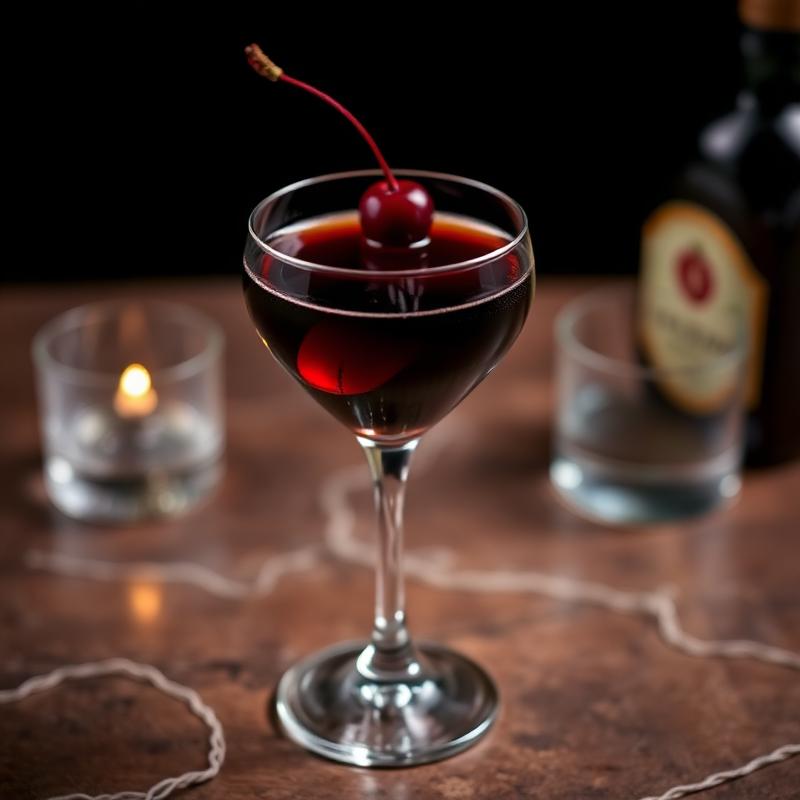
It makes the best Black Manhattan on the list and an excellent sour, so it earns space behind the bar as well as on the digestivo card.
6. Cynar — the savory option
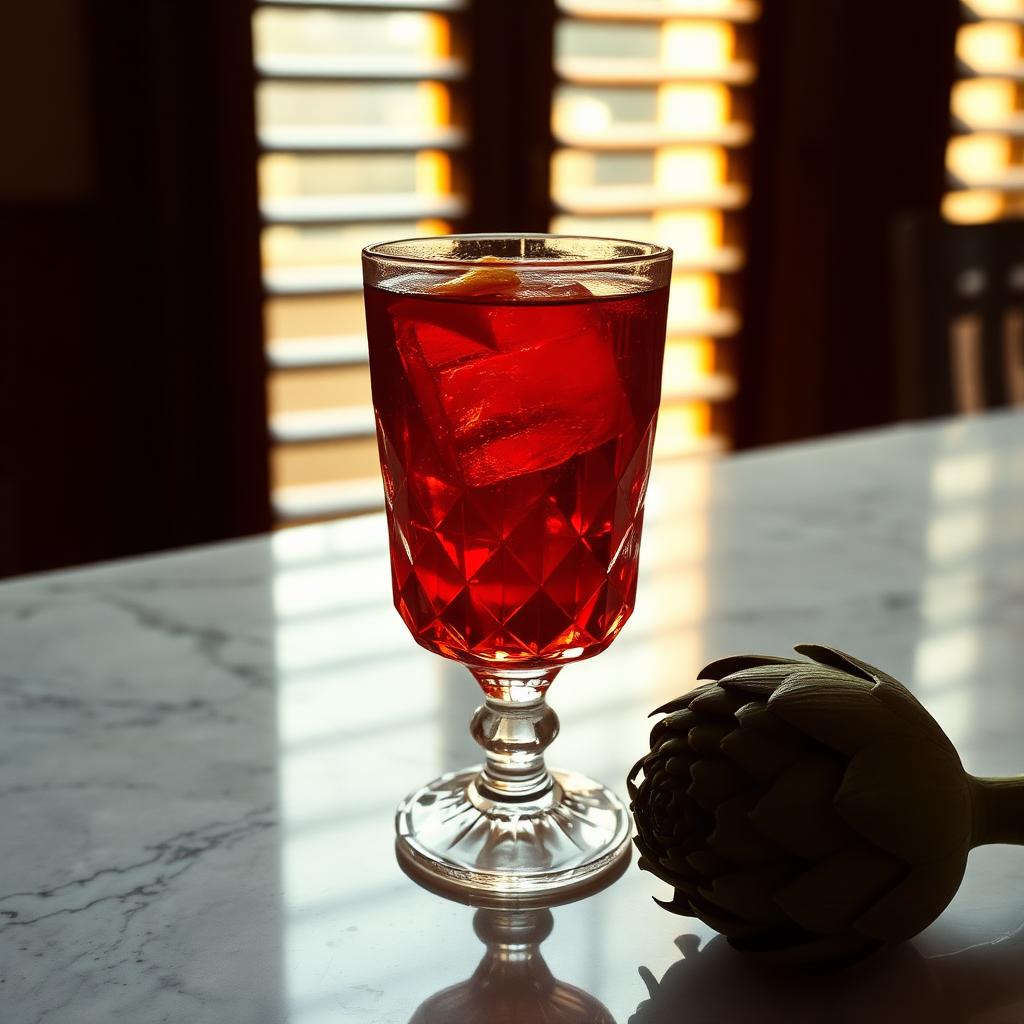
Artichoke on the label, but what you actually taste is vegetal depth, cola, and a dry finish. Cynar is the bottle for guests who find most amari too sweet.
It also makes a Cynar Negroni that will outsell the standard version at any restaurant willing to put it on a menu.
7. Campari — non-negotiable
Technically a bitter aperitivo rather than an amaro, but no Italian restaurant should open its doors without it. Negroni, Americano, Sbagliato, Garibaldi, Milano-Torino — five drinks from one bottle, all of them margin.
Put a Negroni on the cocktail list at the top. It is the most reliable first drink in the business.
8. Aperol — the daylight bottle
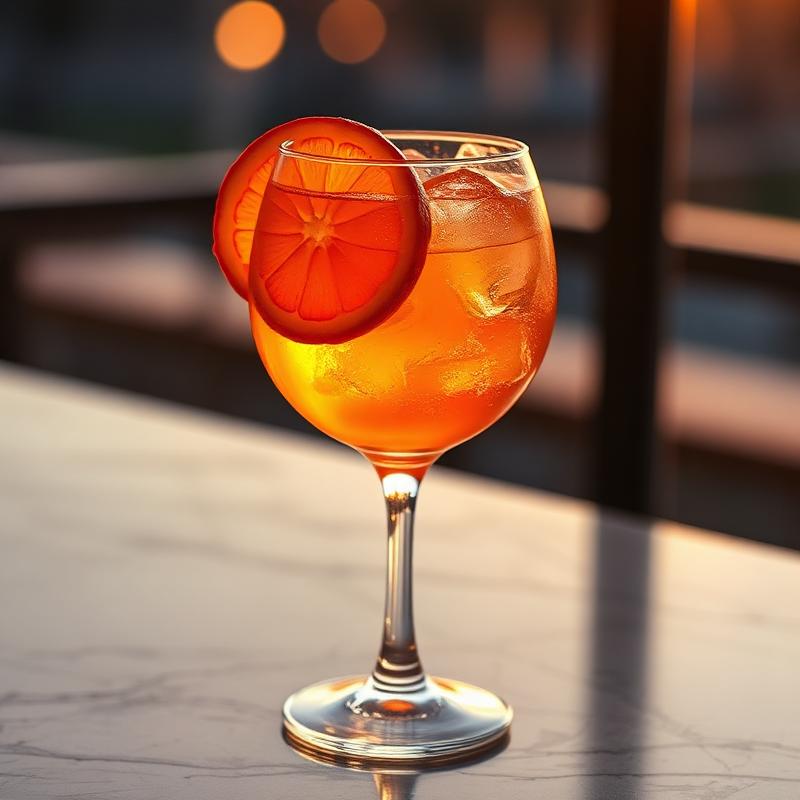
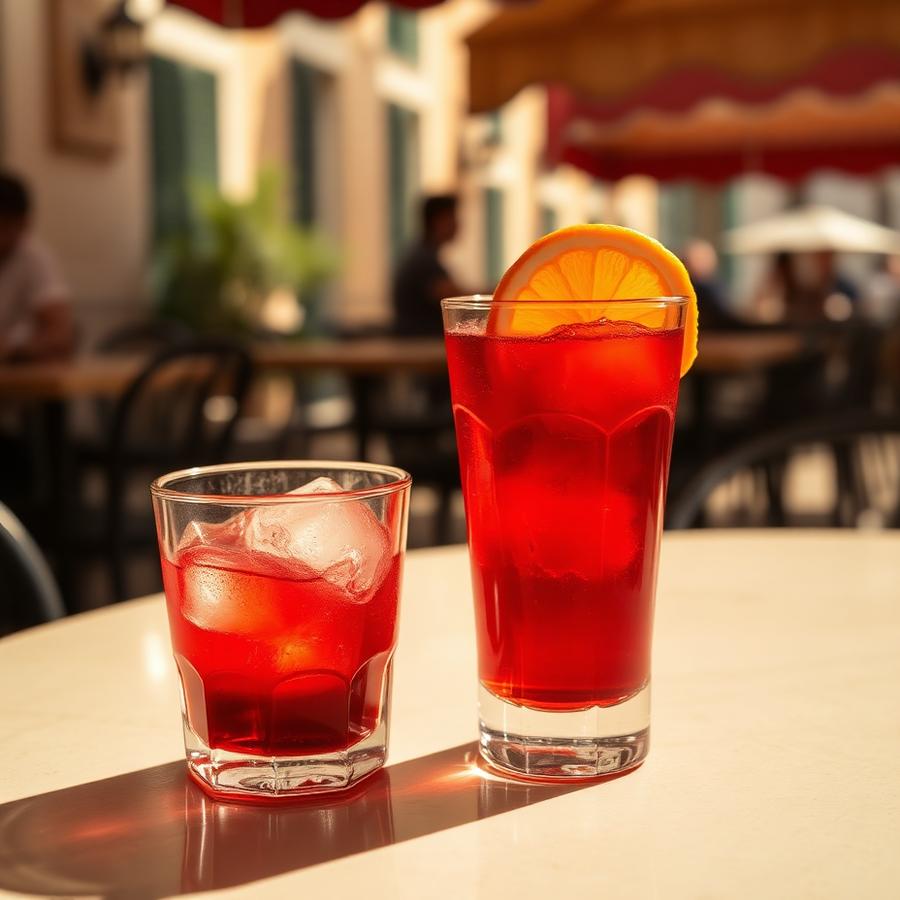
Low proof, orange, rhubarb, gently bitter. The Aperol Spritz is the single most photographed drink in Italy and it sells itself on a patio in July.
Keep it for the aperitivo hour and for the guest who wants something festive before food rather than after it.
9. Amaro Nardini — the Veneto's house pour
From Bassano del Grappa, Nardini is lighter and more mineral than most, with mint and gentian and a clean finish. In the Veneto it is served as Mezzo e Mezzo — half amaro, half rabarbaro, a splash of soda.
It is the bottle that makes your list feel like it was assembled by someone who has actually eaten in Italy.
10. Amaro Sfumato Rabarbaro — the wild card
Smoked Chinese rhubarb root, campfire, leather, a little salt. Sfumato is strange and unforgettable, and every good list needs one bottle that makes a guest say "what is that?"
Pair it with anything charred or grilled. It is also the best amaro in the house for a bar team to play with.
How to actually sell them
Print the list. A digestivo card with ten bottles, one line of description each, and a price beside it will sell more amaro than any amount of server training. Guests order what they can read.
Offer a flight. Three half-ounce pours — say Montenegro, Braulio, and Fernet-Branca — priced like a glass of wine. It is the fastest way to turn a curious table into repeat customers.
Serve them properly. Small stemmed glass, slightly chilled, no ice unless the guest asks. And keep the bottles visible: a lit back-bar row of dark glass and old labels does more marketing than a menu insert ever will.
Finally, comp the first taste now and then. That is how I got into amaro in the first place — a bartender who poured before he explained.
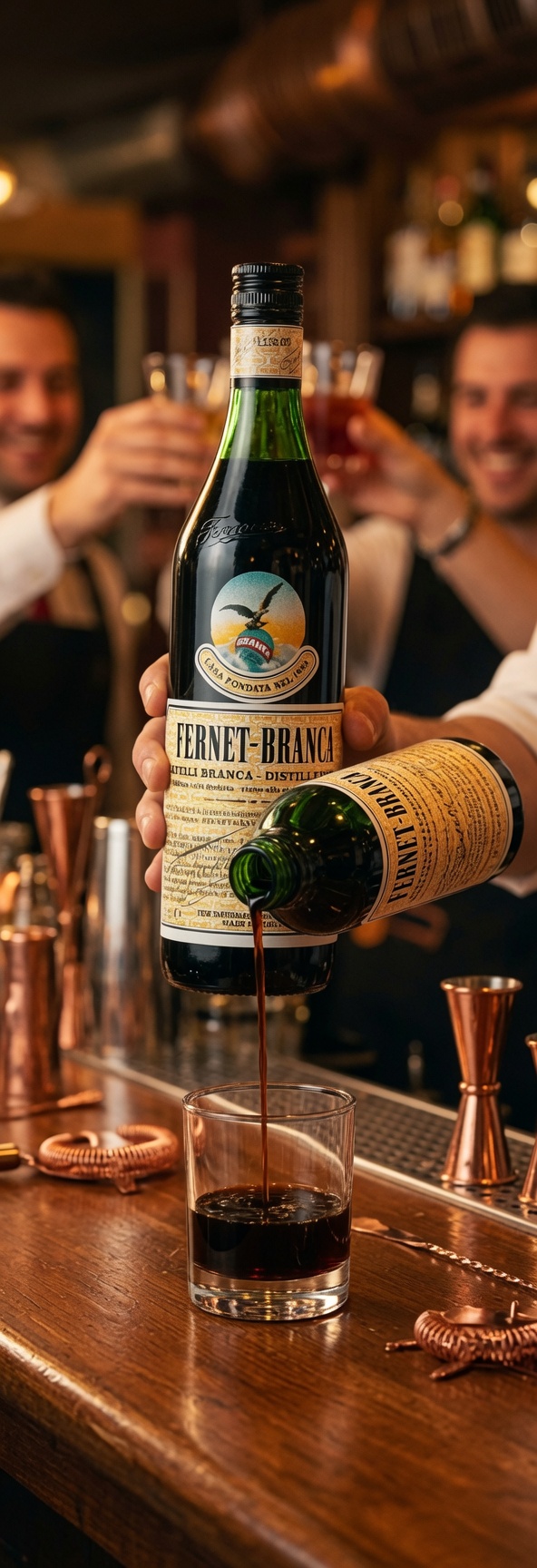
Guests order what they can read. Print the digestivo list.