Why Bitter Tastes Good (Eventually)
The science and the ritual behind a flavor most of us are born to reject — and why Italy turned it into pleasure.
July 14, 2026 · 6 min read · Amaro Aficionado
Nobody's first sip of Fernet-Branca goes well. Bitterness is the one taste humans are wired to distrust — it is the flavor of alkaloids, of unripe fruit, of things that historically wanted us dead.
And yet an entire national drinking culture is built on it. The gap between that first grimace and the eventual craving is one of the most interesting stories in drinking.
Bitterness is a warning system we learn to override
Humans carry roughly twenty-five bitter taste receptors, far more than for sweet or salty. That imbalance is protective: sugar rarely kills you, plant alkaloids sometimes do.
But the reflex is learnable in both directions. Coffee, dark chocolate, IPA, radicchio, grapefruit — every one of them is an acquired taste that becomes a preferred one. Repeated safe exposure teaches the brain that the warning was a false alarm, and the same intensity that once read as danger starts reading as depth.
Sugar is the on-ramp
This is exactly what a well-made amaro engineers. Gentian, cinchona, wormwood and rhubarb root supply the bitterness; cane sugar, caramel and citrus peel round the edges so the palate stays in the game long enough to notice the herbs underneath.
It is why Averna and Montenegro convert more beginners than Fernet does. They are the same lesson, taught more patiently.
The digestivo effect is real, if modest
Bitter compounds stimulate saliva and gastric secretion — the reason apothecaries prescribed bitter tonics for centuries before anyone put them in a cocktail. The effect is genuine but small; the ritual does most of the work.
That ritual matters. A tiny glass after a long meal signals that eating has stopped and conversation has started. Italians did not invent an after-dinner drink so much as an after-dinner punctuation mark.
How to train your palate on purpose
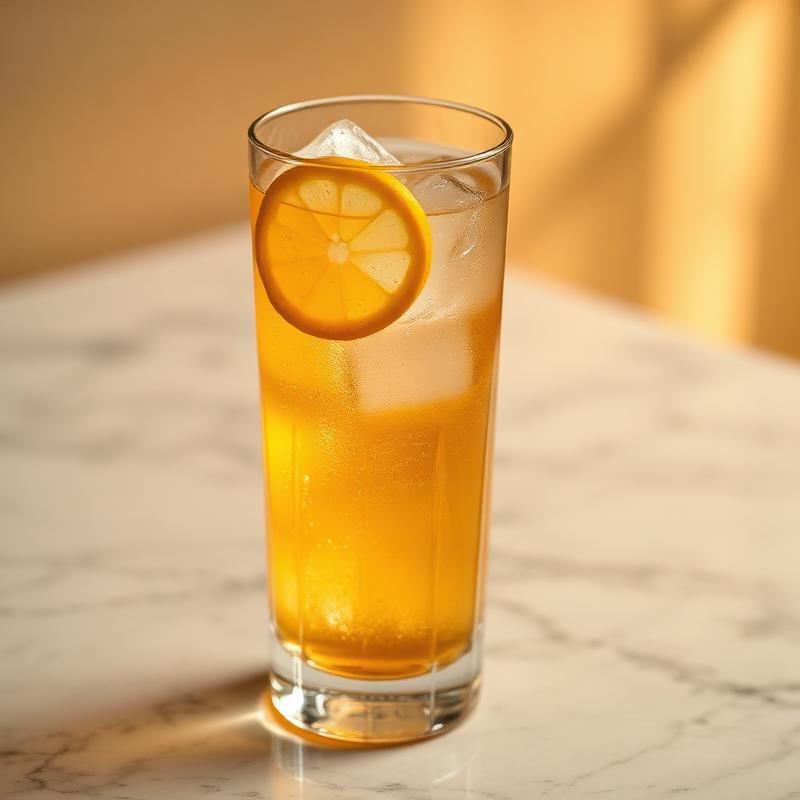
Start diluted. An amaro highball — two ounces of Montenegro, soda, a wide orange peel — is the friendliest possible introduction, and it works at any hour.
Then go colder. Chilling suppresses perceived bitterness, so a freezer-cold pour of something bracing lands far softer than a room-temperature one.
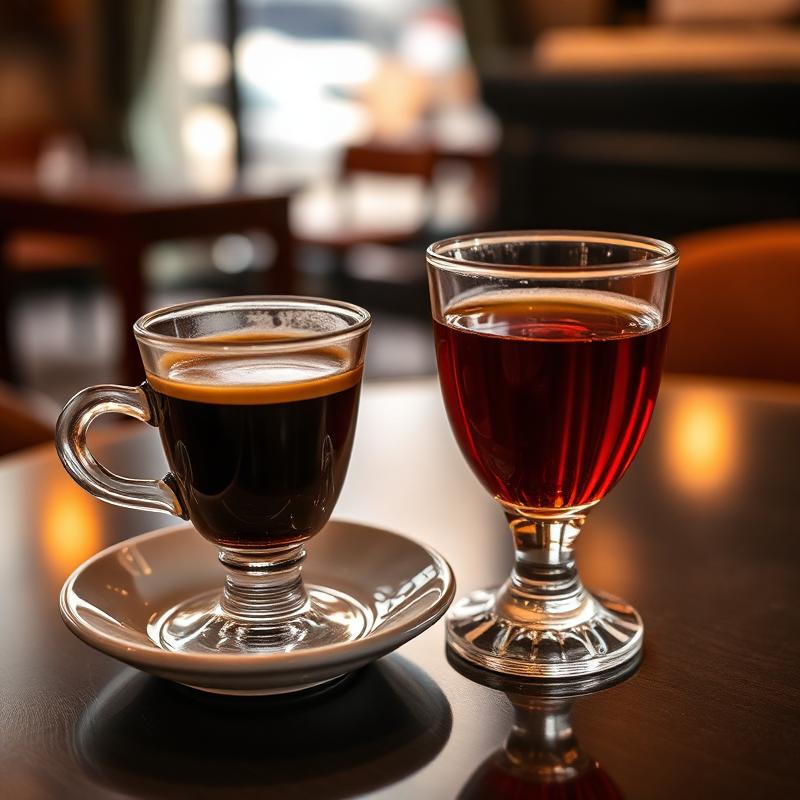
Then go smaller. An ounce, sipped slowly alongside espresso, teaches more than a full pour you struggle to finish. Within a month, the bottles that seemed punishing start tasting like the point.