Amaro Has Seasons: What to Pour in July vs. January
The same shelf, read two different ways — spritzy and citric in the heat, resinous and warming when it turns cold.
June 30, 2026 · 5 min read · Amaro Aficionado
Amaro is filed under after-dinner, cold-weather, heavy. Half of that is wrong. The category spans everything from 11% ABV orange soda-adjacent aperitivi to 40% alpine resin, and the calendar should decide which end of it you reach for.
Here is how the same shelf splits across the year.
Summer: low proof, long pours, citrus everywhere
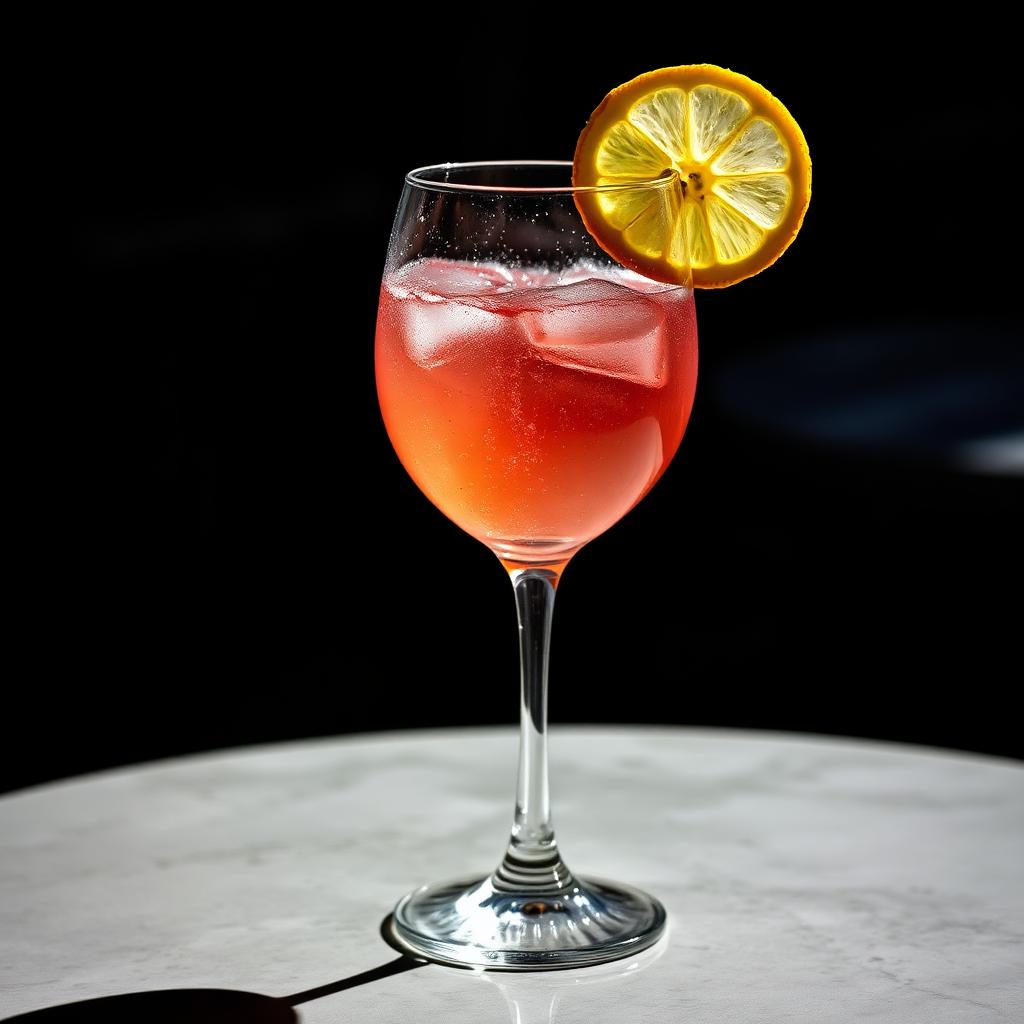
Hot weather wants dilution and acidity. Build tall: Aperol or Select over ice with prosecco and soda, Campari and orange juice for a Garibaldi, or Montenegro lengthened with tonic and a fat grapefruit peel.
The Bicicletta — bitter, white wine, soda — is the most underrated warm-afternoon drink in the Italian canon, and it clocks in around the strength of a beer.
Sicilian bottles come into their own here too. Amaro Amara, made from blood orange peel grown on Etna, is practically designed for a spritz glass.
Shoulder seasons: the sour window
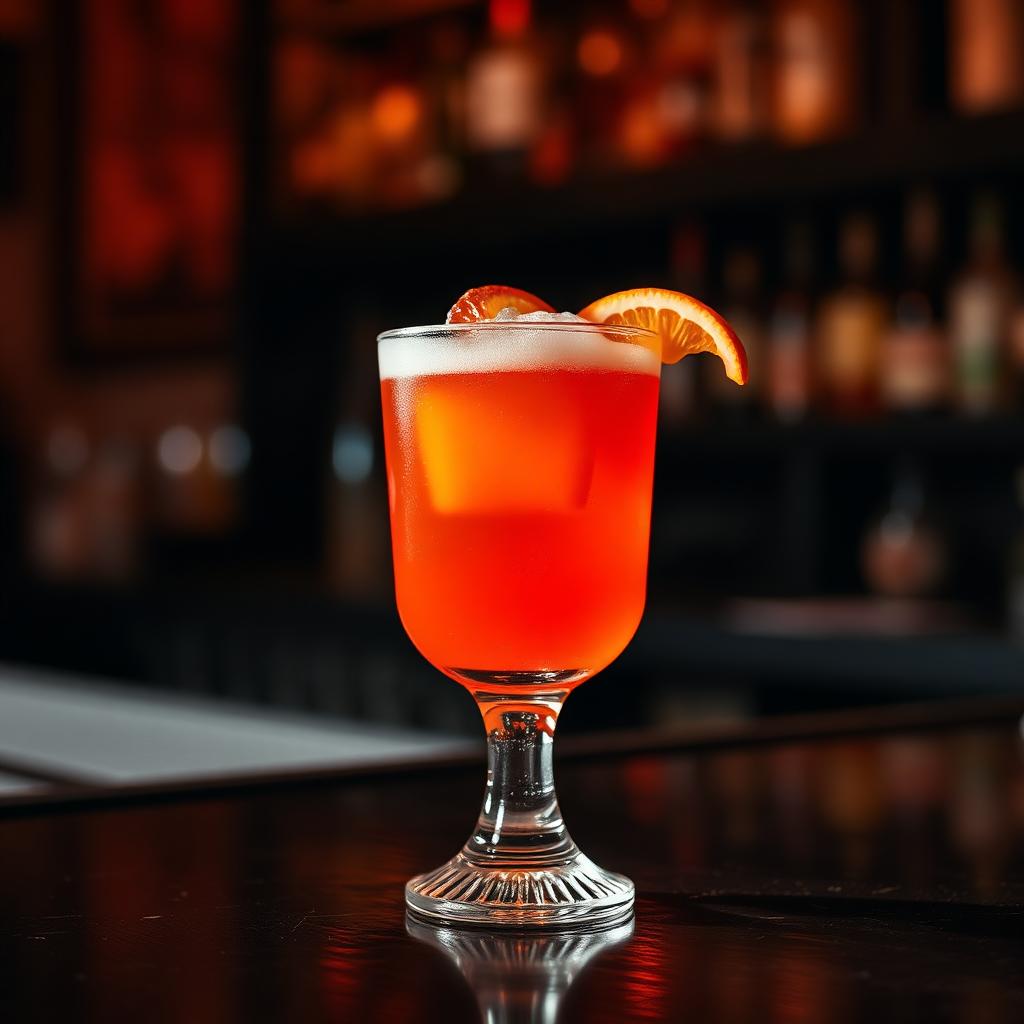
Spring and autumn are for shaken drinks. An Averna Sour, a Naked & Famous, a Paper Plane — enough citrus to feel fresh, enough amaro to feel substantial.
This is also the best stretch for the Boulevardier, when whiskey stops feeling too heavy but the evenings still ask for something with weight.
Winter: stirred, resinous, undiluted
Cold weather is when alpine bottles make sense. Braulio's pine and mountain gentian, Génépy's herbal sweetness, Sfumato's smoked rhubarb — all of them read as firewood in a glass.
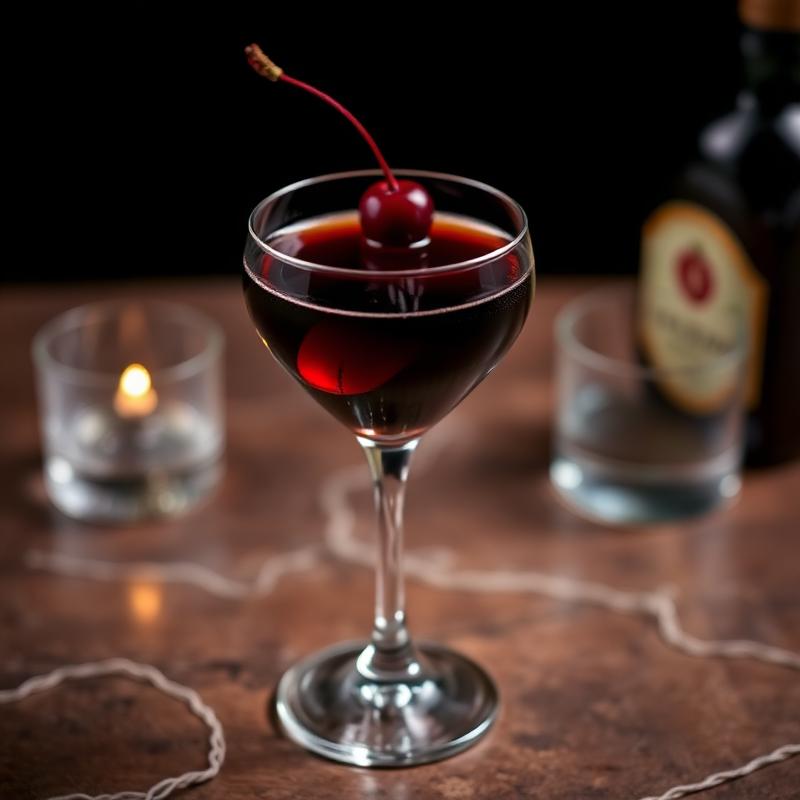
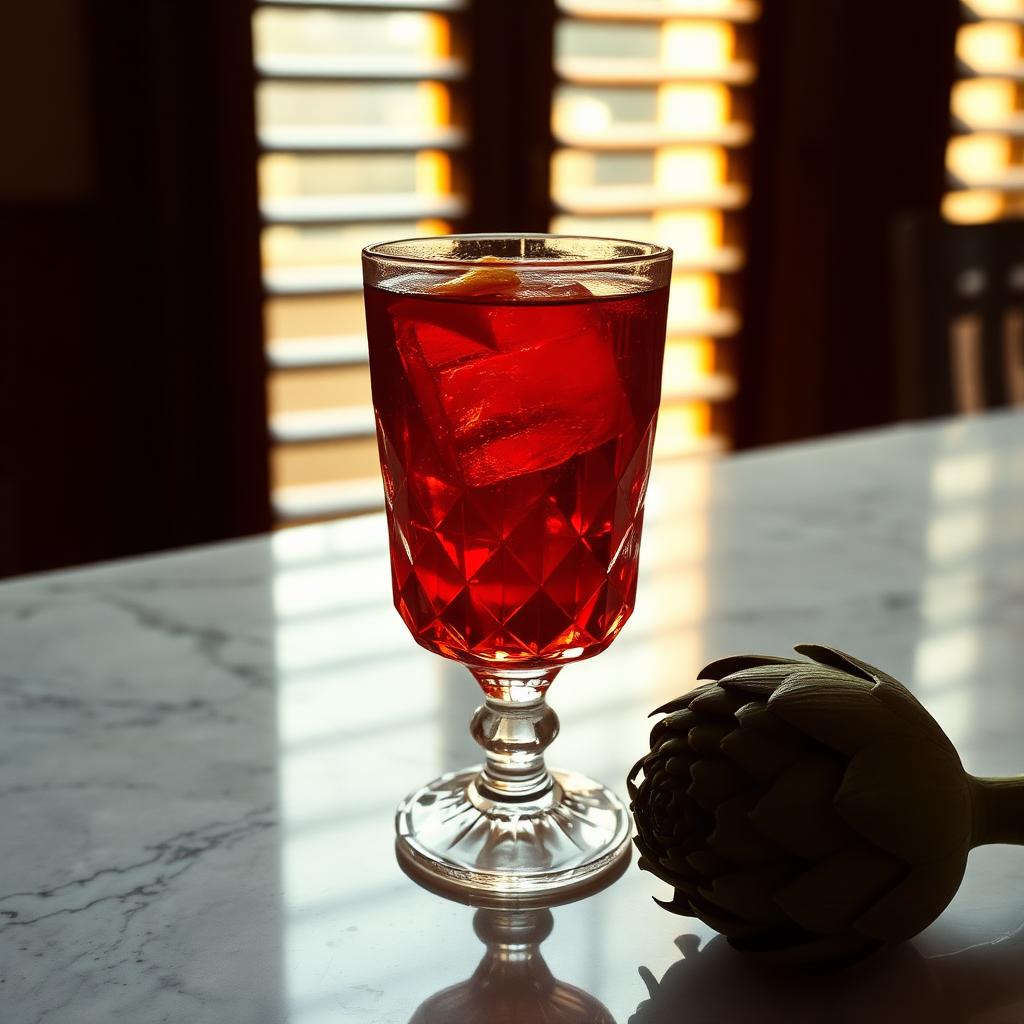
Stir rather than shake: a Black Manhattan with rye and Averna, a Toronto with Fernet, a Cynar Negroni for something savory and slightly vegetal.
And the simplest winter serve remains the best one: two ounces of something dark over a single large cube, no garnish, no hurry.
Year-round, no argument
The Caffè Corretto works in every month on the calendar. So does the amaro highball, which scales its own intensity with the size of the pour.
If you only remember one rule: warm months want length and citrus, cold months want concentration and resin. The bottles do not change — the ratios do.